Care guide
Hognose Snake
Heterodon nasicus
- Adult size
- 2-3 feet (0.6-0.9 m); females larger
- Lifespan
- 15-20 years
Hognose Snake Morph Guide available
Browse alleles, named morphs, and combo morph combinations
Hognose Snake genetics calculator available
Predict offspring morph probabilities across multiple traits simultaneously
Overview
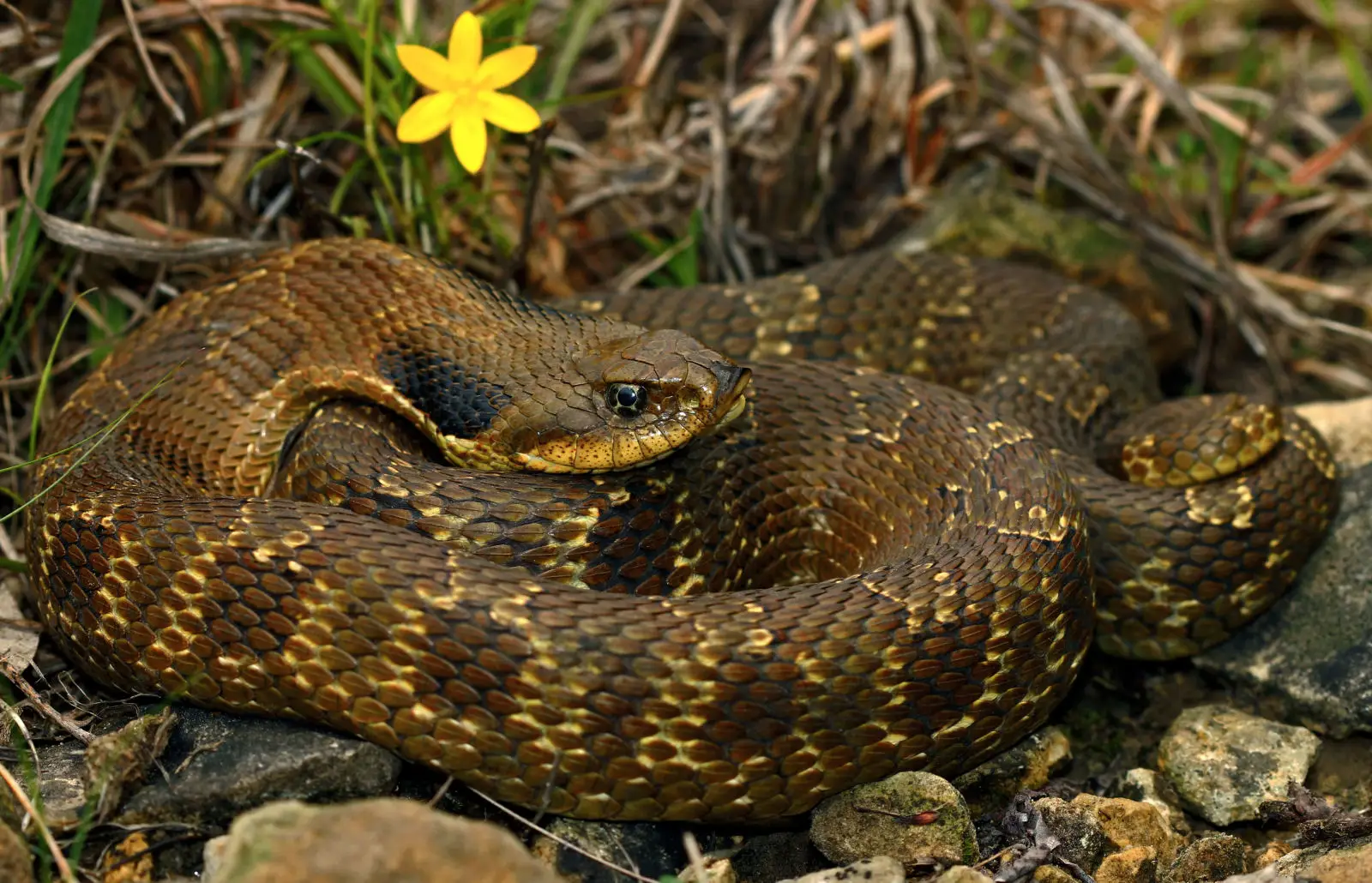
Western hognose snakes are small, dramatic snakes native to North America. Named for their upturned snout used for digging, they are famous for their defensive displays (hissing, hood-spreading, and playing dead) but rarely bite. Their entertaining personalities and small size make them excellent pets.
Ambient Temp
72-78°F (22-26°C)
Basking Spot
88-90°F (31-32°C)
Night Temp
65-72°F (18-22°C)
Humidity
30-50%
UVB
Not required; ambient day/night cycle
Lifespan
15-20 years
Enclosure Sizes by Life Stage
| Life Stage | Minimum Enclosure Size |
|---|---|
| Hatchling0–3 months | 10-gallon (20x10x12") |
| Juvenile3–12 months | 20-gallon long (30x12x12") |
| Adult12+ months | 20-40-gallon (30-48x18x12") |
Housing
- Enclosure type
- Terrestrial glass or PVC enclosure with deep substrate for burrowing
- Substrate
- Aspen shavings, coconut husk, or sand/soil mix (3-4 inches depth). They need to burrow. Avoid overly moist substrates.
- Hides
- At least two hides; they spend much time burrowed rather than in above-ground hides
- Notes
- Minimum 20-gallon long for adults. Provide 3-4 inches of loose substrate for burrowing, multiple hides, and secure lid. They spend much time buried.
Temperature
- Ambient / cool side
- 72-78°F (22-26°C)
- Basking spot
- 88-90°F (31-32°C)
- Nighttime
- 65-72°F (18-22°C)
- Heating method
- Under-tank heater or heat tape with thermostat covering 1/3 of enclosure
Humidity & Lighting
- Humidity range
- 30-50%
- Maintenance
- From arid grasslands; prefer lower humidity. Increase slightly during shed.
- UVB
- Not required; ambient day/night cycle
- Photoperiod
- 12 hours on / 12 hours off
- Lighting notes
- No UVB required. Provide day/night photoperiod with normal lighting.
Feeding
- Staple food
- Frozen-thawed mice
- Variety
- Some specimens require amphibian scenting initially as they naturally eat toads and frogs in the wild
- Frequency
- Juveniles: every 5-7 days. Adults: every 7-10 days. They may fast in winter (brumation behavior) even in captivity.
- Supplements
- No supplements needed when feeding whole prey.
- Notes
- Carnivore: Prefer frozen-thawed mice. Some specimens need to be scented with amphibian scent initially as they naturally eat toads and frogs.
Water & Hydration
- Water bowl
- Water dish; change every 2-3 days; may soak before shed
- Notes
- Provide water dish. Change every 2-3 days. Hognoses may soak before shed but rarely drink visibly.
Handling
- Disposition
- Docile despite dramatic defensive displays; rarely bite; entertaining personality
- Recommendations
- Generally docile despite dramatic defensive displays. They rarely bite and their rear-fanged venom is harmless to humans. Handle 1-2 times per week after settling in. They may hiss, flatten their necks, or play dead - this is normal behavior.
Common Health Issues
Respiratory infections, mites, and regurgitation from improper temps or stress. Generally hardy.
Special Notes
Hognose snakes can live 15-20 years. Their rear-fanged "venom" is not medically significant but may cause minor local swelling in sensitive individuals. They may play dead (flipping upside down with mouth open) when threatened - this is a defensive behavior and they are fine. Females are larger than males. They go through dramatic seasonal cycling and may refuse food for months in winter.
Next steps
- Open the genetics calculatorPredict offspring morph probabilities across every trait at once.
- Build a pedigreeGenerate multi-generation pedigrees your buyers can trust.
- Import your spreadsheetBring an existing collection into ReptiDex from a spreadsheet.
- See how records follow the animalEvery record you keep travels with the animal when it changes hands.
Start your records
Track your Hognose Snake with ReptiDex
Track your breeding program, generate pedigrees, and share records with buyers.
Get Started Free