Care guide
Bearded Dragon
Pogona vitticeps
- Adult size
- 18-24 inches (45-61 cm)
- Lifespan
- 10-15 years
Bearded Dragon Morph Guide available
Browse alleles, named morphs, and combo morph combinations
Bearded Dragon genetics calculator available
Predict offspring morph probabilities across multiple traits simultaneously
Overview
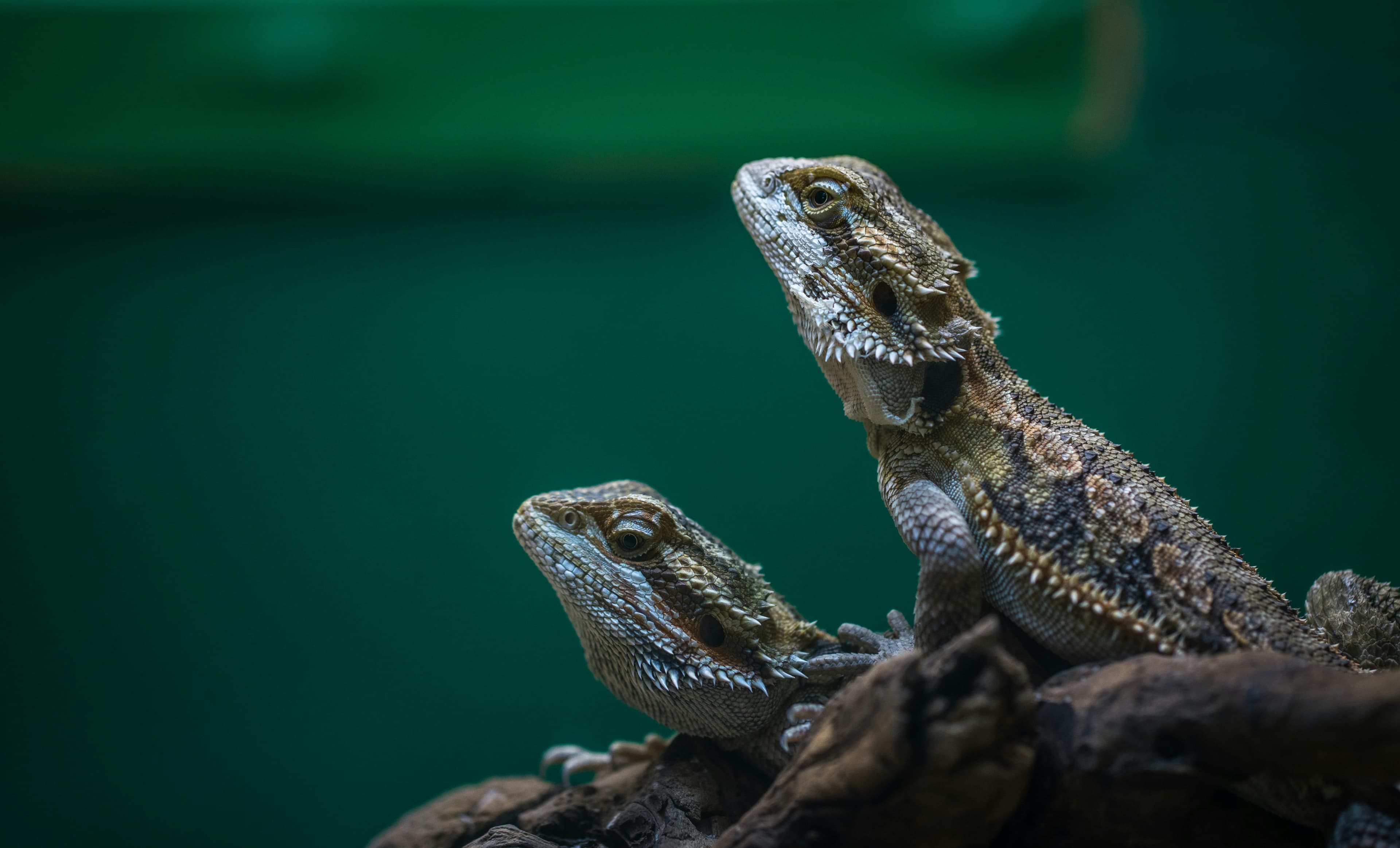
Bearded dragons are medium-sized lizards from Australia, beloved for their docile nature, dog-like personalities, and ability to recognize their owners. They are diurnal, omnivorous, and highly interactive, making them one of the most popular pet reptiles. Their "beard" can darken during displays and stress.
Ambient Temp
75-85°F (24-29°C)
Basking Spot
100-110°F (38-43°C) adults; 95-105°F (35-41°C) hatchlings
Night Temp
65-75°F (18-24°C)
Humidity
30-40%
UVB
Required: 10.0-12.0 T5 HO UVB tube covering 2/3 of enclosure; replace every 6-12 months
Lifespan
10-15 years
Enclosure Sizes by Life Stage
| Life Stage | Minimum Enclosure Size |
|---|---|
| Hatchling0–3 months | 20-gallon (30x12x12") |
| Juvenile3–12 months | 40-gallon breeder (48x18x18") |
| Adult12+ months | 120-gallon or 4x2x2 ft (minimum 4x2 footprint) |
Housing
- Enclosure type
- Terrestrial glass tank with screen top or PVC enclosure; large footprint required
- Substrate
- Tile, reptile carpet, or paper towels. Avoid loose substrates like sand for juveniles due to impaction risk. Adult beardies on tile helps file nails naturally.
- Hides
- Warm hide and basking platform; open space for thermoregulation
- Notes
- Minimum 75-gallon (4x2x2 feet) for adults. Juveniles can start in 40-gallon. Provide basking platform, multiple hides, climbing branches, and open area. Glass tank with screen top or PVC enclosure.
Temperature
- Ambient / cool side
- 75-85°F (24-29°C)
- Basking spot
- 100-110°F (38-43°C) adults; 95-105°F (35-41°C) hatchlings
- Nighttime
- 65-75°F (18-24°C)
- Heating method
- Basking bulb and thermostat; ceramic heat emitter for overnight if needed
Humidity & Lighting
- Humidity range
- 30-40%
- Maintenance
- From arid regions; ensure good ventilation. Do not mist enclosure.
- UVB
- Required: 10.0-12.0 T5 HO UVB tube covering 2/3 of enclosure; replace every 6-12 months
- Photoperiod
- 12-14 hours on / 10-12 hours off; seasonal variation recommended
- Lighting notes
- REQUIRES UVB 10.0-12.0 tube bulb covering 2/3 of enclosure. Replace every 6-12 months. UVB is CRITICAL for calcium absorption and preventing MBD.
Feeding
- Staple food
- Juveniles: crickets, dubia roaches, BSFL, hornworms (80% of diet). Adults: collard greens, mustard greens, turnip greens, endive (80% of diet).
- Variety
- Superworms, hornworms, silkworms for juveniles; squash, bell pepper, snap peas as vegetable variety
- Frequency
- Juveniles: insects 2-3x daily, vegetables daily. Adults: insects 2-3x per week, fresh salad daily.
- Supplements
- Dust insects with calcium (without D3) daily; calcium with D3 2x per week; multivitamin 1x per week. Proper UVB is essential for calcium metabolism.
- Notes
- Omnivore: Juveniles are 80% insects (crickets, dubia roaches, hornworms, BSFL), 20% vegetables. Adults are 80% vegetables/greens, 20% insects. Offer staple greens: collard, mustard, turnip greens, endive. No spinach, lettuce, or iceberg.
Water & Hydration
- Water bowl
- Water dish; many won't drink from it - offer water via syringe or light misting of vegetables
- Notes
- Provide water dish but many won't drink from it. Mist vegetables daily and offer water via syringe or dropper. Some enjoy baths for hydration.
Handling
- Disposition
- Very docile; enjoy human interaction; can recognize their owners; dog-like personalities
- Recommendations
- Very docile and enjoy interaction. Handle daily once settled. Support their entire body. Many enjoy being out of enclosure. Watch for stress signs: darkened beard, arm waving, head bobbing.
Common Health Issues
Metabolic bone disease (MBD) from insufficient UVB/calcium, impaction from loose substrate, respiratory infections, parasites, and yellow fungus disease.
Special Notes
Bearded dragons can live 10-15 years. They are social and recognize owners. Males should not be housed together. They go through brumation (hibernation-like state) in winter and may refuse food for months. Arm waving is submission, head bobbing is dominance. Dark beard indicates stress, black beard + puffing up is defensive display. Highly interactive and enjoy supervised time outside their enclosure.
Next steps
- Open the genetics calculatorPredict offspring morph probabilities across every trait at once.
- Build a pedigreeGenerate multi-generation pedigrees your buyers can trust.
- Import your spreadsheetBring an existing collection into ReptiDex from a spreadsheet.
- See how records follow the animalEvery record you keep travels with the animal when it changes hands.
Start your records
Track your Bearded Dragon with ReptiDex
Track your breeding program, generate pedigrees, and share records with buyers.
Get Started Free