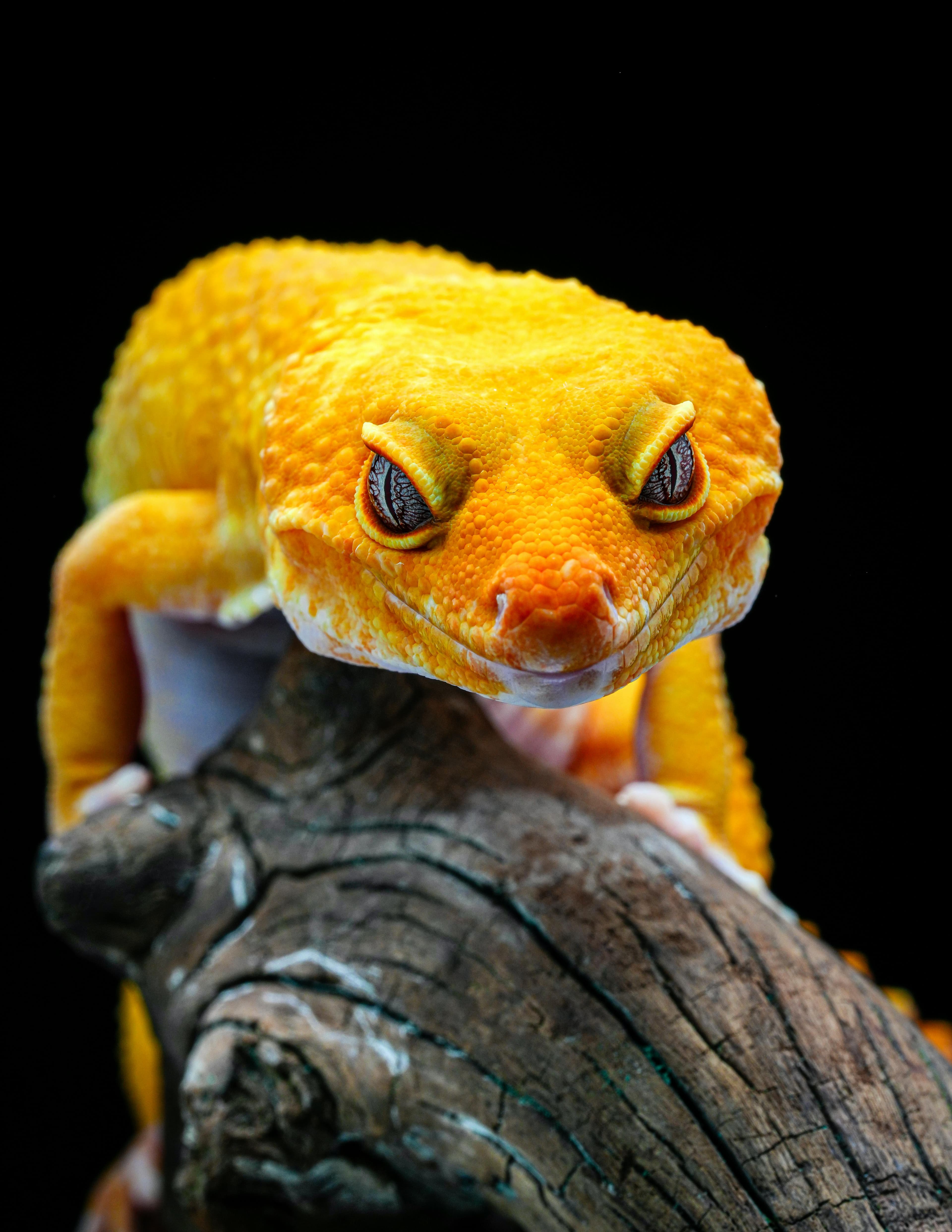
Care guide
Leopard Gecko
Eublepharis macularius
- Adult size
- 8-10 inches (20-25 cm)
- Lifespan
- 15-20 years
Leopard Gecko Morph Guide available
Browse alleles, named morphs, and combo morph combinations
Leopard Gecko genetics calculator available
Predict offspring morph probabilities across multiple traits simultaneously
Overview
Leopard geckos are one of the most popular pet reptiles, known for their docile nature, easy care requirements, and beautiful color variations. Native to the arid regions of Afghanistan, Pakistan, and India, these ground-dwelling geckos are perfect for beginners.
Ambient Temp
75-80°F (24-27°C)
Basking Spot
88-92°F (31-33°C)
Night Temp
65-75°F (18-24°C)
Humidity
30-40%
UVB
Not required; optional 2-5% UVB beneficial
Lifespan
15-20 years
Enclosure Sizes by Life Stage
| Life Stage | Minimum Enclosure Size |
|---|---|
| Hatchling0–3 months | 10-gallon (20x10x12") |
| Juvenile3–12 months | 20-gallon long (30x12x12") |
| Adult12+ months | 40-gallon long (48x12x12") |
Housing
- Enclosure type
- Terrestrial glass or PVC enclosure with secure lid and ventilation
- Substrate
- Paper towels, reptile carpet, or tile recommended. Avoid loose substrates like sand which can cause impaction if ingested.
- Hides
- Three hides: warm hide, cool hide, and moist hide for shedding
- Notes
- Minimum 20-gallon long tank for adults (30-gallon preferred). Provide multiple hides including a warm hide, cool hide, and moist hide for shedding. Ensure secure lid with ventilation.
Temperature
- Ambient / cool side
- 75-80°F (24-27°C)
- Basking spot
- 88-92°F (31-33°C)
- Nighttime
- 65-75°F (18-24°C)
- Heating method
- Under-tank heating pad or heat tape controlled by thermostat
Humidity & Lighting
- Humidity range
- 30-40%
- Maintenance
- Increase to 50-60% during shedding by misting the moist hide.
- UVB
- Not required; optional 2-5% UVB beneficial
- Photoperiod
- 12-14 hours on / 10-12 hours off
- Lighting notes
- No UVB required but low-level UVB (2-5%) can be beneficial. Provide 12-14 hour day/night cycle with regular lighting.
Feeding
- Staple food
- Crickets, dubia roaches, mealworms
- Variety
- Superworms, hornworms; waxworms as occasional treats
- Frequency
- Juveniles: daily, 5-7 insects. Adults: every 2-3 days, 6-8 insects.
- Supplements
- Dust insects with calcium powder at every feeding. Provide calcium with D3 2-3 times per week and multivitamin once per week.
- Notes
- Insectivore diet: crickets, dubia roaches, mealworms, superworms, hornworms, and occasional waxworms as treats.
Water & Hydration
- Water bowl
- Shallow dish; change daily
- Notes
- Provide fresh water daily in shallow dish. Most leopard geckos drink by licking water droplets, so occasional light misting is helpful.
Handling
- Disposition
- Docile and tolerate handling well; ideal for beginners
- Recommendations
- Support their entire body and allow them to walk on your hands. Avoid grabbing the tail as it can drop. Handle for 10-15 minutes at a time after a week of settling in.
Common Health Issues
Metabolic bone disease (from calcium deficiency), impaction (from substrate ingestion), retained shed (especially on toes and tail), respiratory infections, and parasites.
Special Notes
Leopard geckos are crepuscular (most active at dawn and dusk). They can live 15-20 years with proper care. Males should not be housed together as they are territorial. Females can sometimes cohabitate but monitor closely for aggression.
Next steps
- Open the genetics calculatorPredict offspring morph probabilities across every trait at once.
- Identify a morph from a photoUpload a photo for AI-assisted trait suggestions with confidence scores.
- Build a pedigreeGenerate multi-generation pedigrees your buyers can trust.
- Import your spreadsheetBring an existing collection into ReptiDex from a spreadsheet.
- See how records follow the animalEvery record you keep travels with the animal when it changes hands.
Start your records
Track your Leopard Gecko with ReptiDex
Track your breeding program, generate pedigrees, and share records with buyers.
Get Started Free