Care guide
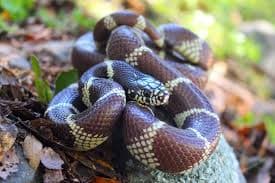
California Kingsnake
Lampropeltis californiae
- Adult size
- 3-4 feet (0.9-1.2 m)
- Lifespan
- 20-25 years
Overview
California kingsnakes are native to the western United States and Baja California. They are known for their striking black and white banding (or striped pattern), curious nature, and impressive appetite. The name "king" comes from their ability to eat other snakes, including venomous species.
Ambient Temp
70-75°F (21-24°C)
Basking Spot
85-88°F (29-31°C)
Night Temp
65-70°F (18-21°C)
Humidity
40-60%
UVB
Not required; normal room lighting or day/night cycle
Lifespan
20-25 years
Enclosure Sizes by Life Stage
| Life Stage | Minimum Enclosure Size |
|---|---|
| Hatchling0–3 months | 10-gallon (20x10x12") |
| Juvenile3–12 months | 20-gallon long (30x12x12") |
| Adult12+ months | 40-gallon breeder (48x18x18") |
Housing
- Enclosure type
- Terrestrial glass or PVC enclosure with very secure locking lid; strong escape artists
- Substrate
- Aspen shavings, cypress mulch, or paper products. Avoid substrates that retain too much moisture as they prefer drier environments.
- Hides
- At least two hides: warm side and cool side
- Notes
- Minimum 20-gallon long for juveniles, 40-gallon for adults. Provide multiple hides, climbing branches, and very secure locking lid. They are strong and persistent escape artists.
Temperature
- Ambient / cool side
- 70-75°F (21-24°C)
- Basking spot
- 85-88°F (29-31°C)
- Nighttime
- 65-70°F (18-21°C)
- Heating method
- Under-tank heater or heat tape with thermostat
Humidity & Lighting
- Humidity range
- 40-60%
- Maintenance
- They tolerate dry conditions well but increase humidity during shed. Provide humid hide with damp moss.
- UVB
- Not required; normal room lighting or day/night cycle
- Photoperiod
- 12 hours on / 12 hours off
- Lighting notes
- No UVB required. Provide day/night photoperiod with normal room lighting.
Feeding
- Staple food
- Frozen-thawed mice or small rats
- Variety
- No live prey; strong feeding response makes transition to frozen-thawed easy
- Frequency
- Hatchlings/juveniles: every 5-7 days. Adults: every 7-10 days. Kingsnakes have high metabolisms and hearty appetites.
- Supplements
- No supplements needed when feeding whole prey items.
- Notes
- Carnivore: Feed frozen-thawed mice or rats. They have strong feeding responses and rarely refuse food.
Water & Hydration
- Water bowl
- Sturdy heavy water bowl; change every 2-3 days
- Notes
- Provide sturdy water bowl. They may tip bowls over, so use heavy dish. Change water every 2-3 days.
Handling
- Disposition
- Generally docile; active and curious; may musk or rattle tail when first acquired
- Recommendations
- Generally docile but can be defensive as hatchlings. They are very active and curious. Handle 2-3 times per week. May musk or rattle tail when stressed but calm with regular handling.
Common Health Issues
Respiratory infections, scale rot, mites. Generally very hardy with few health problems.
Special Notes
California kingsnakes can live 20-25 years. NEVER house with other snakes as they may cannibalize cage mates. They are ophiophagous (snake-eaters) in the wild. Very active snakes that enjoy exploring during handling. One of the hardiest pet snakes available.
Next steps
Start your records
Track your California Kingsnake with ReptiDex
Track your breeding program, generate pedigrees, and share records with buyers.
Get Started Free