Harlequin, Flame & Pinstripe: The Most Popular Crested Gecko Pattern Traits
Part of the Crested Gecko Genetics Series. Last updated March 2026.
These three pattern traits are where most keepers start, and for good reason. They're widely available, well-documented, and produce some of the most striking crested geckos in the hobby. This post covers what each trait looks like, how it's inherited, what to expect when buying or breeding, and how they interact with each other.
For genetics fundamentals (what "het" and "incomplete dominant" mean), see Genetics Basics Explained. Not sure what morph your gecko is? Try the free Morph Identifier.
1. Harlequin (HQ) - Incomplete Dominant
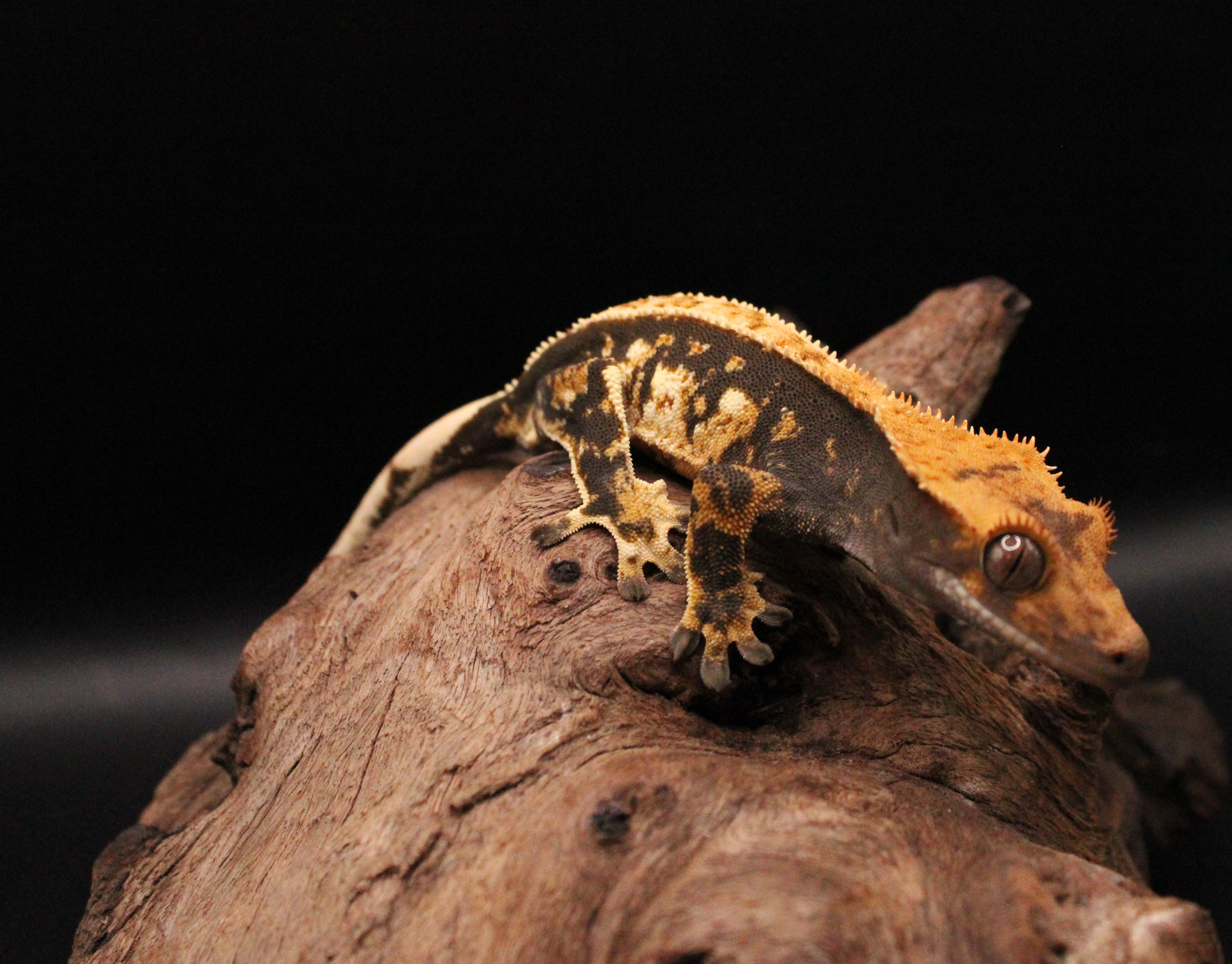
What It Is
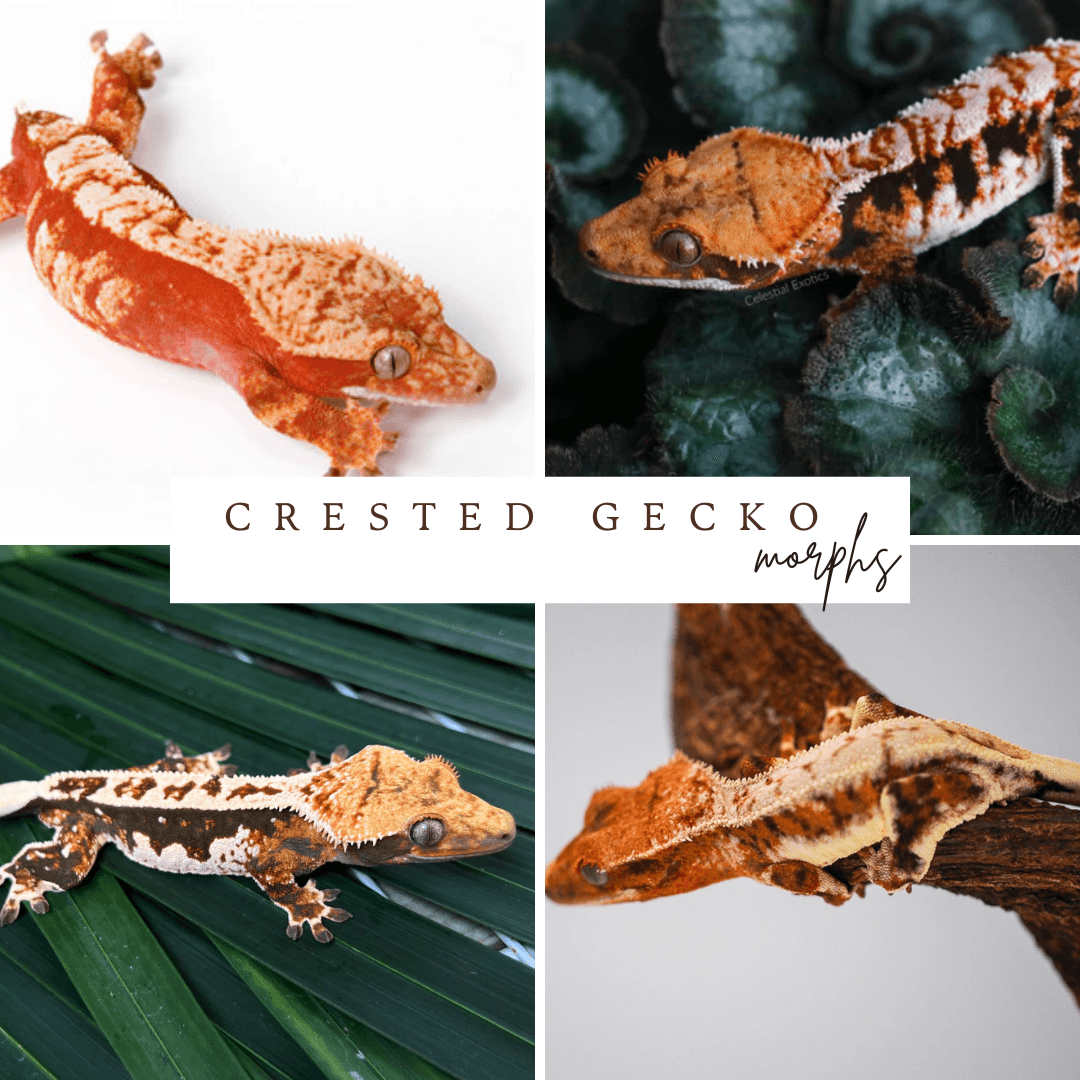
One of the most recognizable and sought-after pattern traits. Harlequins feature bold, contrasting patterns on the sides and limbs, often with cream, yellow, or orange against a darker base color.
GENETIC CLARIFICATION: Harlequin is an incomplete dominant trait with wild-type recessive. This means:
- One copy (heterozygous): Intermediate Harlequin pattern expression
- Two copies (homozygous): "Super" or "Extreme" Harlequin with maximum pattern
- No copies (wild-type): Reduced or minimal side pattern
Visual Characteristics
- Bold side pattern covering limbs and lateral body
- Contrasting colors light pattern against dark base (or vice versa)
- Variable expression from moderate to extreme contrast based on:
- Number of copies (het vs. super)
- Polygenic modifiers that affect intensity
- Background genetics
- Clean dorsal stripe often present but not required
- Vibrant appearance. High visual impact.
How It Works
Genetics: Incomplete dominant (wild-type recessive confirmed)
Category: PATTERN_MODIFIER
Inheritance: Follows Mendelian incomplete dominant pattern
Quality Variation: Both genetic (number of copies) and polygenic (intensity modifiers)
Breeding Outcomes:
- Harlequin (Het) × Wild-type: ~50% Harlequin (het), ~50% Wild-type
- Harlequin (Het) × Harlequin (Het): ~25% Wild-type, ~50% Harlequin (het), ~25% Super Harlequin
- Super Harlequin × Wild-type: 100% Harlequin (het)
- Super Harlequin × Harlequin (Het): ~50% Harlequin (het), ~50% Super Harlequin
"Extreme Harlequin" Clarification: The term "Extreme Harlequin" refers to:
- Super Harlequin (homozygous HQ/HQ)
- High-quality het Harlequin with strong polygenic modifiers
- Marketing term for visually impressive animals
It's not always clear which category a labeled "Extreme Harlequin" falls into without breeding trials.
Why It's Popular
- Striking, high-contrast appearance catches the eye
- Predictable Mendelian inheritance (unlike purely polygenic traits)
- Combines well with other traits (Dalmatian, Pinstripe, etc.)
- Range of quality/price points available
- One of the most photographed and shared morphs
- Can produce "Super" form with maximum expression
What to Expect
Availability: Very common, easy to source
Price Range: $75-$400+ depending on expression level, super form, and color
Breeding: More predictable than purely polygenic traits, but quality still varies
Care: Standard crested gecko husbandry
Breeding Projects: Use super form or high-quality het to improve line consistency
2. Flame (FLAME) - Separate Locus
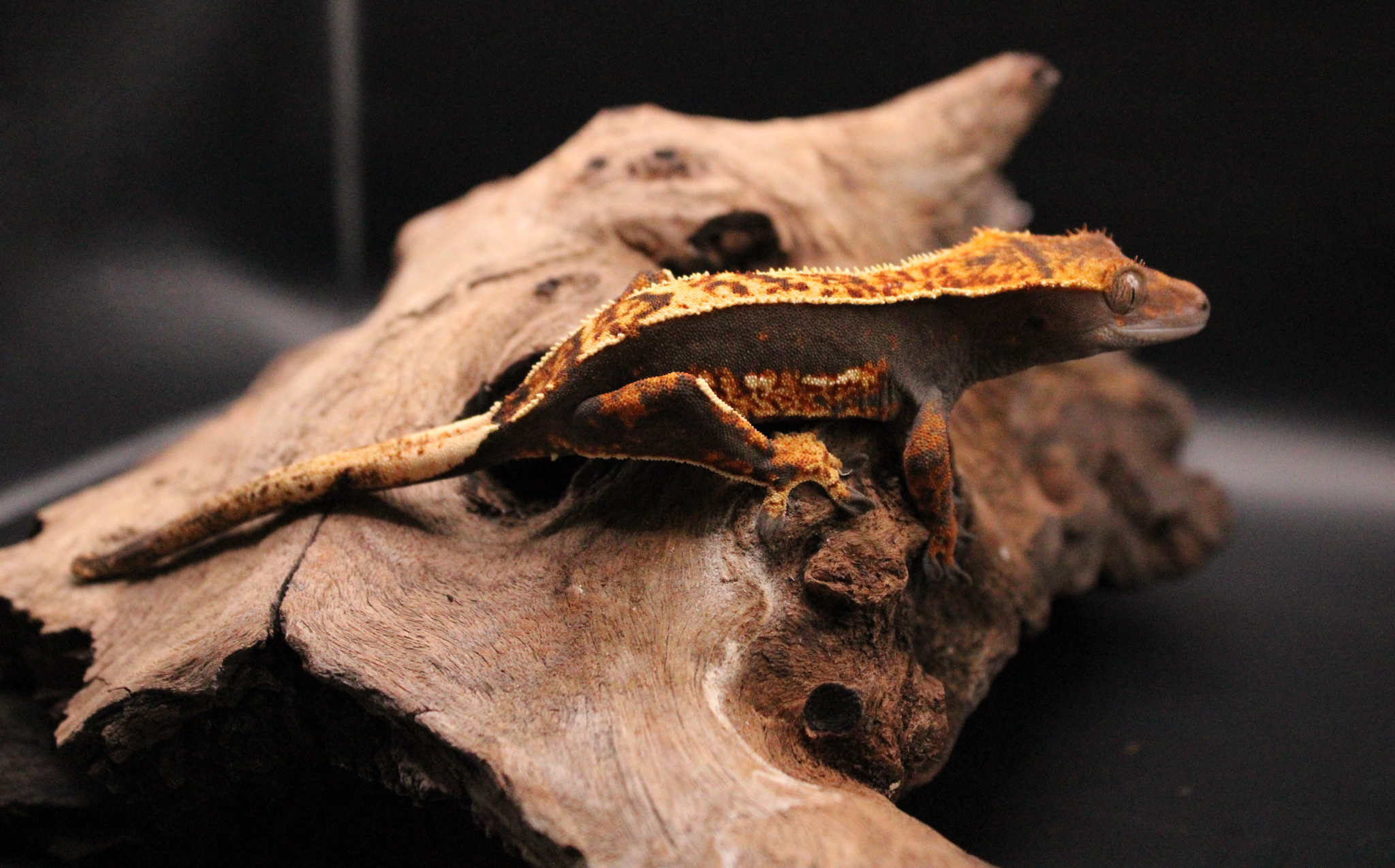
What It Is
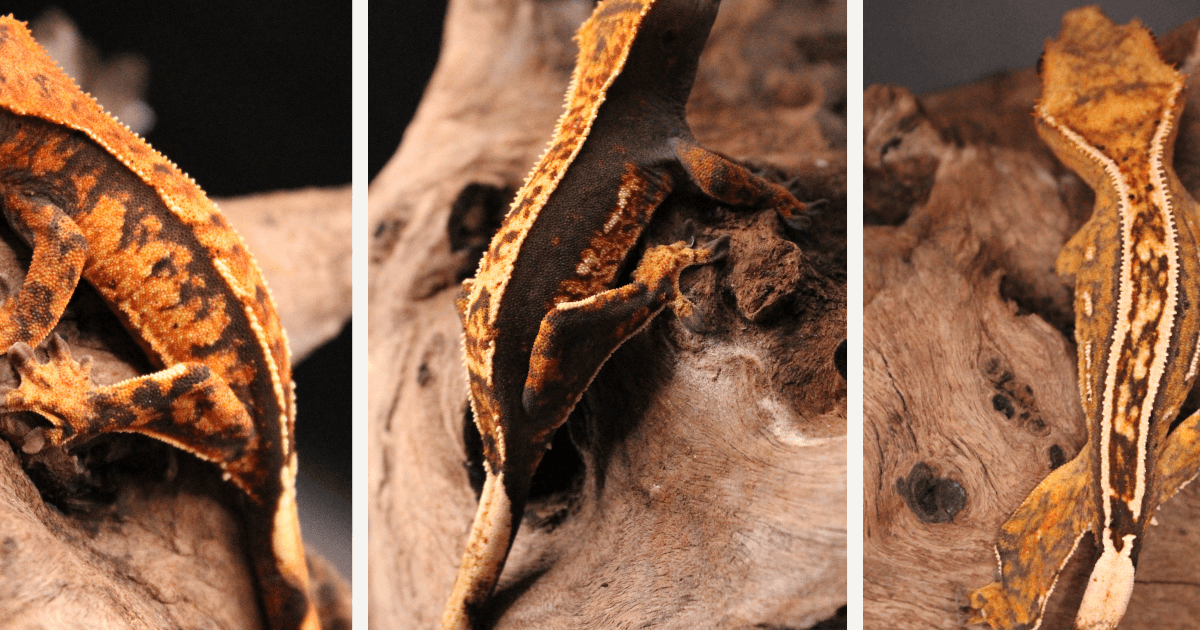
A classic and elegant pattern featuring a pale, creamy dorsal stripe (the "flame") with darker sides and minimal to moderate side pattern.
GENETIC CLARIFICATION: Flame is related to but separate from Harlequin. It's a different locus. The exact inheritance pattern is still under research, but it appears to be a distinct genetic trait that can combine with Harlequin.
Visual Characteristics
- Prominent dorsal stripe from head to tail
- Darker sides contrasting with lighter dorsal
- Less side pattern than Harlequin morphs
- Clean appearance. Simple elegance.
- Color variety can be yellow, orange, red, or cream flames
- Can combine with Harlequin for more complex patterns
How It Works
Genetics: Separate locus from Harlequin, inheritance pattern under research
Category: PATTERN_MODIFIER
Relationship: Can be present alongside Harlequin (not mutually exclusive)
Breeding: Inheritance less well-documented than Harlequin
Current Understanding:
- Flame and Harlequin are NOT the same trait
- They can be combined in the same animal
- Exact inheritance pattern still being studied
- Selective breeding improves flame quality over generations
Why It's Popular
- Classic, timeless look
- Simple elegance appeals to many keepers
- Often more affordable than high-quality Harlequins
- Easy to identify and appreciate
- Good "canvas" for combining with other traits
- Less "busy" appearance than Harlequin
What to Expect
Availability: Very common, widely available
Price Range: $50-$200 depending on color intensity and clarity
Breeding: Inheritance less predictable than Harlequin; selective breeding recommended
Care: Standard crested gecko husbandry
3. Pinstripe (PIN) - Dominant Structural Trait
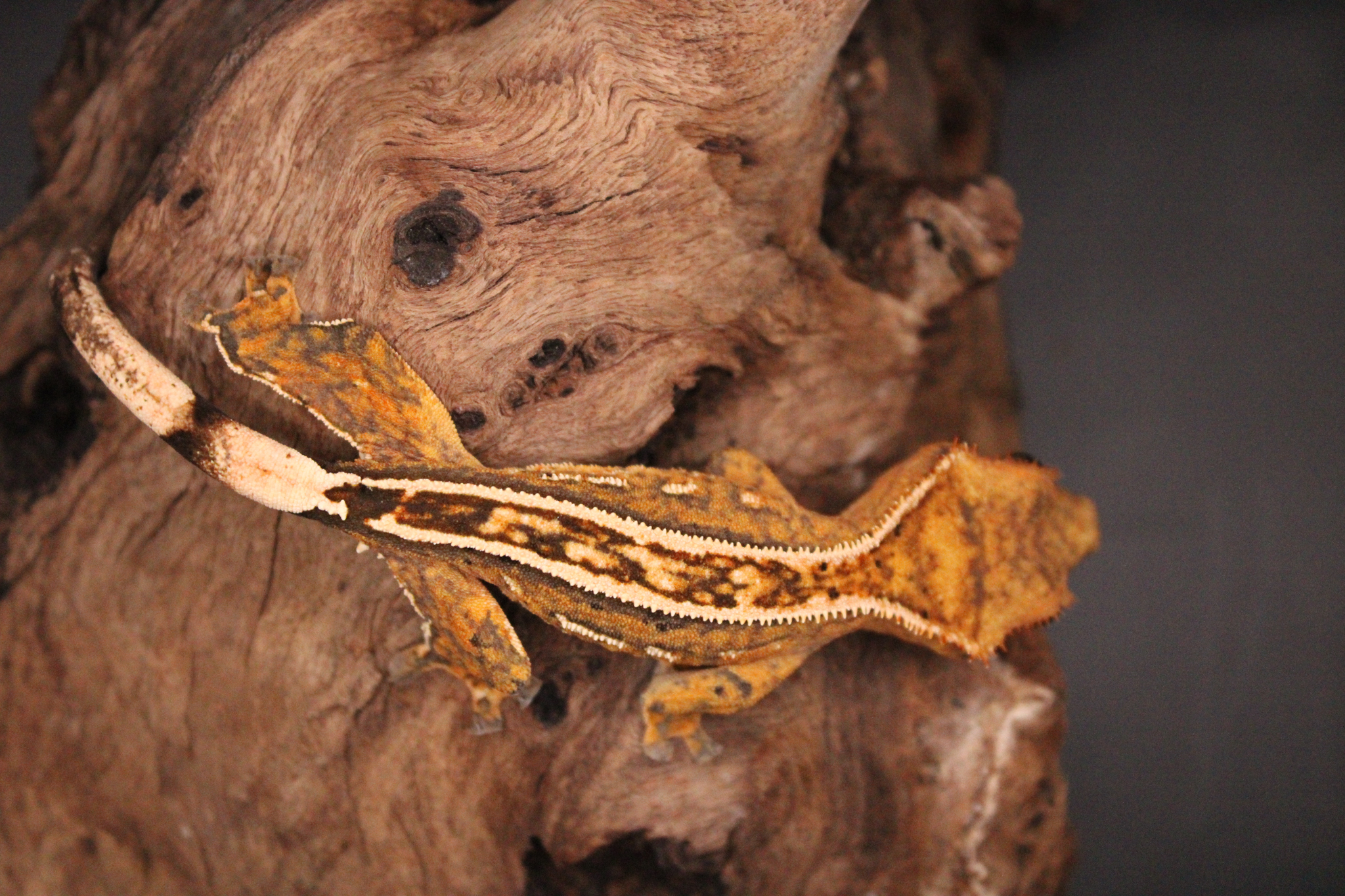
What It Is
Raised, cream-colored scales ("pins") running along the back from head to tail, creating a distinctive raised stripe that's both visual and tactile.
GENETIC CLARIFICATION: Pinstripe is a dominant structural trait with decades of breeding data confirming consistent inheritance.
Visual Characteristics
- Raised cream scales along dorsal ridge
- Continuous line from head to tail (ideally a "complete pinstripe")
- Structural trait. You can feel the raised pins.
- Clean definition. Crisp, clear pins.
- Combines with ALL patterns can have Pinstripe + Harlequin, Pinstripe + Phantom, etc.
- Quality varies: Partial vs. complete, thick vs. thin pins
How It Works
Genetics: Dominant. Only one copy needed for visual expression
Category: STRUCTURAL
Inheritance: Highly predictable Mendelian dominant
Quality: Completeness (full vs. partial) influenced by polygenic modifiers
Breeding Outcomes:
- Pinstripe × Non-Pinstripe: ~50% Pinstripe offspring
- Pinstripe × Pinstripe: ~75% Pinstripe offspring (25% non-pinstripe)
Important Interactions:
- Pinstripe + Phantom: Creates "Phantom Pin" (White Pattern fades tail to head)
- Pinstripe + Tiger: Can create "Reverse Pin" appearance
- NOT linked or allelic with any other trait. Pinstripe is a separate locus
Why It's Popular
- Clean, crisp visual appeal
- Adds definition to any morph
- Predictable breeding outcomes (dominant inheritance)
- Combines beautifully with all pattern types
- Structural interest (tactile raised scales)
- Highly sought-after trait that increases value
- Easy to identify in hatchlings
What to Expect
Availability: Common from quality breeders
Price Range: $100-$500+ depending on completeness, thickness, and combined traits
Breeding: Very predictable. Approximately 50% from Pin × Non-Pin pairings
Care: Standard crested gecko husbandry
Quality Assessment: "Complete" pinstripe (head to tail) is most desirable
Breeding Expectations for These Traits
Pinstripe (Dominant): The most predictable. Pinstripe x Non-Pinstripe gives ~50% Pinstripe offspring. Easy to plan around.
Harlequin (Incomplete Dominant): Moderately predictable. Het x Het gives 25% wild-type, 50% het (intermediate), 25% Super (maximum expression). Quality still varies within each category due to polygenic modifiers.
Flame: Less documented inheritance. Selective breeding over generations improves quality and consistency. Related to but separate from Harlequin.
Free Tool: Run any pairing through the Crested Gecko Morph Calculator to see predicted offspring outcomes for confirmed traits.
What to Read Next
- Dalmatian, Phantom & Tiger: Understanding Pattern Traits - The other three essential traits every keeper should know
- Buying Your First Crested Gecko - Pricing, red flags, and beginner FAQ
- Combo Morphs vs Real Traits - Why Lavender and Pink aren't standalone genes
- Genetics Library - Full allele database with breeding notes
About the Author
I'm Dusty Mumphrey, a crested gecko and leachianus breeder in Tyler, Texas. I also build software for breeders through Built By Dusty, including ReptiDex (breeding records app) and the genetics engine that powers this site. If you're a breeder or breed club looking for custom software, get in touch.