Buying Your First Crested Gecko: Morphs, Pricing & What to Watch For
Part of the Crested Gecko Genetics Series. Last updated March 2026.
This is the practical guide. You've learned about traits and genetics. Now you need to know what to actually look for when buying, how pricing works, what red flags to watch for, and answers to the questions every new keeper asks. Whether you're buying your first pet gecko or sourcing your first breeding animal, this post covers the stuff that matters before you hand over money.
For trait identification, see the Morph Identifier. For genetics fundamentals, start with Genetics Basics Explained.
Understanding Popular Combo Morphs
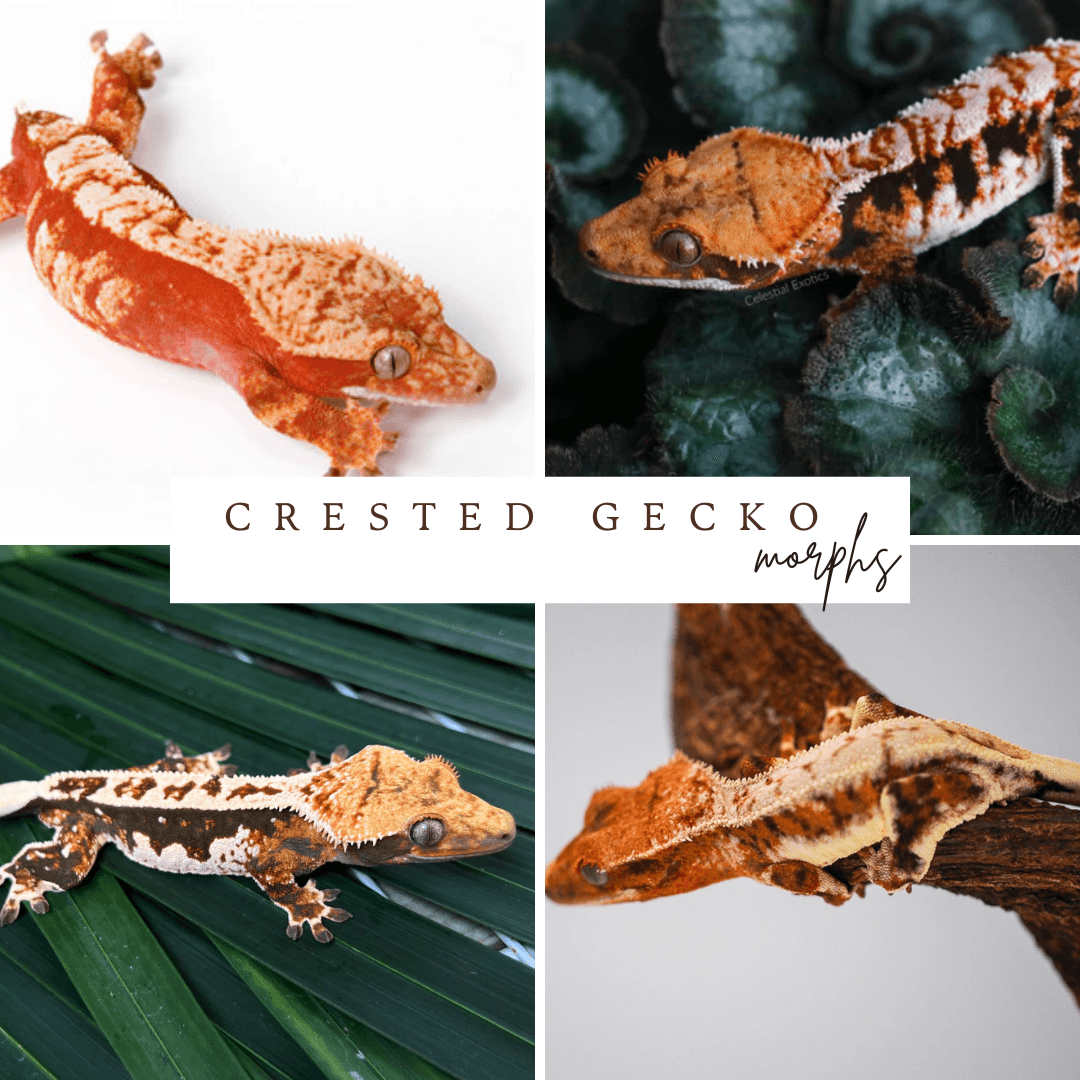
Before you buy, you need to know that many popular "morph" names describe combinations of traits, not standalone genes. This affects pricing, breeding predictions, and whether a breeder actually knows their animals' genetics. Here's a quick reference for the combos you'll see most often:
Lavender (Black Base + Hypo)
What It Is
Lavender is NOT a trait. It's the epistatic interaction of Black Base + Hypomelanistic traits.
Formula: B/H (Black Base + Hypo)
Visual Characteristics
- Color range: Pale grey to purple to sky blue (rarest)
- Color variation depends on:
- Which hypo form (Standard, Cold Fusion, or third form)
- Hypo stacking level (more hypo = lighter colors)
- Firing up/down (less firing = greater trait dominance)
- Cold Fusion produces: Strongest blue tones with Black Base
- Without hypo: Same animal would appear darker/black-based
How It Works
Genetics: Epistatic combo,hypo modifies how Black Base appears
Required Traits: Black Base (B) + Hypomelanistic form (H, Hc, or other)
Inheritance: Must inherit both base color and hypo components
Common Misconception: "True Lavender" or "Lavender gene"
Reality: No such thing,Lavender is always B + H combination
Breeding Lavender:
- Requires Black Base parent(s)
- Requires Hypo parent(s) or het carriers
- Outcome depends on whether parents are het or visual for components
- "Lavender × Lavender" is actually "(B/H) × (B/H)"
What to Expect
Availability: Common, widely available
Price Range: $100-$400+ depending on color intensity and blue tones
Breeding: More complex than single-trait prediction (two components)
Care: Standard crested gecko husbandry
Tip: If seeking blue tones, look for Cold Fusion Lavender specifically
Pink (Red Base + Hypo)
What It Is
Pink is NOT a trait. It's the epistatic interaction of Red Base + Hypomelanistic traits.
Formula: r/H (Red Base + Hypo)
Visual Characteristics
- Color range: Neon red to bright pink to cotton candy pink
- At least 12 shades exist depending on:
- Which hypo form
- Hypo stacking level
- Other modifiers (White Pattern, Phantom, etc.)
- Cold Fusion has greatest effect on pink intensity
- Tails more uniform lacking dark pigment
- Usually accompanied by White Pattern instead of Orange Pattern
How It Works
Genetics: Epistatic combo,hypo modifies how Red Base appears
Required Traits:
- Red Base (r) - recessive
- Hypomelanistic form (H, Hc, or other) Optional Modifiers: Phantom (melanin can be overcome by stacked hypo), White Pattern
Common Misconception: "True Pink" or "Pink gene"
Reality: No such thing,Pink is always r + H combination
Breeding Pink:
- Both parents must carry Red Base (recessive)
- Requires Hypo parent(s) or het carriers
- More complex than single-trait: must inherit red base AND hypo
- "Pink × Pink" is actually "(r/r + H) × (r/r + H)"
What to Expect
Availability: Moderately common, less common than Lavender
Price Range: $150-$500+ depending on pink intensity and shade
Breeding: Complex (recessive base + hypo requirements)
Care: Standard crested gecko husbandry
Tip: At least 12 pink shades possible,specify desired shade when purchasing
Bi-color (Phantom Phenotype)
What It Is
Bi-color is NOT a separate trait. It's a high-dominance phenotype of Phantom.
What This Means:
- "Bi-color" describes HOW Phantom looks
- It's the same Phantom gene expressing at high dominance
- Different Phantom animals look different based on dominance level
- Bi-color, Patternless, Buckskin, Cream, Tan = all Phantom phenotypes
Visual Characteristics
- Two distinct color zones: Usually darker head/body, lighter/creamy lower body
- Clean division (sometimes) between color zones
- High contrast between zones
- Minimal pattern in many cases
What to Expect
Availability: Moderately common
Price Range: $150-$350+ depending on contrast and clarity
Breeding: Breed as Phantom (recessive),NOT as separate "Bi-color gene"
Care: Standard crested gecko husbandry
Critical Understanding: When buying "Bi-color," you're buying Phantom. Breeding outcomes follow Phantom genetics (recessive), not a separate "Bi-color gene."
Buckskin/Cream/Tan (Phantom + Yellow Base)
What It Is
Buckskin, Cream, and Tan are NOT separate traits,they're Phantom phenotypes that occur when Phantom (melanin-producing) combines with Yellow Base.
Formula: PH + y (Phantom + Yellow Base)
Visual Characteristics
- Tan to cream coloration depending on expression
- Melanin blending creates warm earthy tones (NOT clean yellow)
- Subtle to obvious depending on Phantom dominance level
- Natural appearance earthy, muted tones
How It Works
Key Distinction - Phantom vs. Hypo on Yellow Base:
- Phantom + Yellow Base: Melanin BLENDS → Buckskin/Cream/Tan
- Hypo + Yellow Base: Melanin REDUCED → Clean Blonde (no blending)
If you see:
- Melanin blending with yellow → Phantom
- Clean yellow with no blending → Hypo
What to Expect
Availability: Common, often mislabeled as separate traits
Price Range: $75-$200 depending on color
Breeding: Breed as Phantom (recessive) + Yellow Base (dominant)
Care: Standard crested gecko husbandry
Critical Understanding: Buckskin is NOT a "base color." It's Phantom + Yellow Base creating melanin-blended appearance.
C2 / Cream Squared (Yellow Base + High Hypo)
What It Is
C2 is NOT a trait. It's a combination of Yellow Base + High Hypomelanistic expression, often with Snowflake.
Formula: y + H + (optional SNOWFLAKE)
Historical: Coined by AC Reptiles (Anthony Caponetto 2002-2006) as "Cream Squared" (NOT "Citrus"). Common misconception.
Visual Characteristics
- Unicolor white/cream appearance
- Paper white expression possible with proper hypo stacking
- Minimal to no dark pigmentation
- Reduced pigment visible under tail base and around kneecaps
- Clean appearance very light, almost white
How It Works
Required:
- Yellow Base (y) - naturally reduces melanin already
- High Hypo expression - further reduces melanin
Optional:
- Snowflake - can enhance white appearance
Why It Works: Yellow Base already reduces melanin naturally. Adding high hypo expression creates even lighter phenotypes. The combination can produce nearly paper-white animals.
What to Expect
Availability: Difficult to produce consistently (requires high hypo)
Price Range: $200-$500+ depending on whiteness/cleanliness
Breeding: Complex,requires high hypo expression (difficult to predict)
Care: Standard crested gecko husbandry
Common Misconception: "C2 gene" or "C2 stands for Citrus"
Reality: C2 = "Cream Squared" (cream-on-cream), combination of traits
Blonde (Yellow Base + Hypo, NOT Phantom)
What It Is
Blonde is NOT a trait. It's Yellow Base + Hypo creating clean light yellow appearance.
Formula: y + H
Visual Characteristics
- Light yellow coloration with yellow dorsal pattern
- CLEAN appearance without dark melanin blending (key distinction)
- No buckskin tones (which would indicate Phantom)
How It Works
Critical Distinction from Buckskin:
- Blonde (y + H): Clean yellow, hypo reduces melanin → NO blending
- Buckskin (y + PH): Tan/cream, Phantom produces melanin → melanin BLENDS
If you see:
- Clean yellow → Blonde (Hypo)
- Melanin blending → Buckskin (Phantom)
What to Expect
Availability: Common
Price Range: $75-$200
Breeding: Requires Yellow Base + Hypo (both relatively common)
Care: Standard crested gecko husbandry
Halloween (Black Base + Orange Pattern)
What It Is
Halloween is NOT a trait. It's Black Base + Orange Pattern creating classic orange-and-black coloration.
Formula: B + OP
Visual Characteristics
- Orange and black coloration
- High contrast between base and pattern
- Classic appearance reminiscent of Halloween colors
What to Expect
Availability: Moderately common
Price Range: $100-$250
Breeding: Requires Black Base + Orange Pattern expression
Care: Standard crested gecko husbandry
Tri-Color (Base + White Pattern + Orange Pattern)
What It Is
Tri-Color is NOT a trait. It's any Base Color + White Pattern + Orange Pattern creating three distinct color zones.
Formula: Base + WP + OP
Visual Characteristics
- Three distinct color zones: Base color, white pattern areas, orange pattern areas
- Extreme variant: More extensive pattern coverage
- Best on: Black Base and Red Base (Yellow Base rarely shows OP. It fades to white.)
What to Expect
Availability: Moderate
Price Range: $150-$350+
Breeding: Requires both WP and OP to be present
Care: Standard crested gecko husbandry
What to Expect When Purchasing
Availability & Sourcing
Where to Find Quality Morphs:
- Reputable breeders (online and local)
- Ask for lineage information
- Request genetic breakdown (not just morph name)
- Verify health guara...