Hypo Forms & Epistatic Interactions: How Combo Morphs Actually Work
Part of the Crested Gecko Genetics Series. Last updated March 2026.
This is the post that explains why "Lavender" and "Pink" aren't genes. At least three distinct hypomelanistic forms exist in crested geckos, and when they interact with base colors, they produce the combo morphs the hobby has been naming as standalone traits for years. Understanding these epistatic interactions (where one gene changes how another expresses) is the key to accurate breeding predictions and avoiding the most common misconceptions in the hobby.
For genetics fundamentals, see Genetics Basics Explained. For the Phantom vs Hypo distinction, see Axanthic, Phantom & Patternless.
Hypo (H) - Multiple Forms Exist
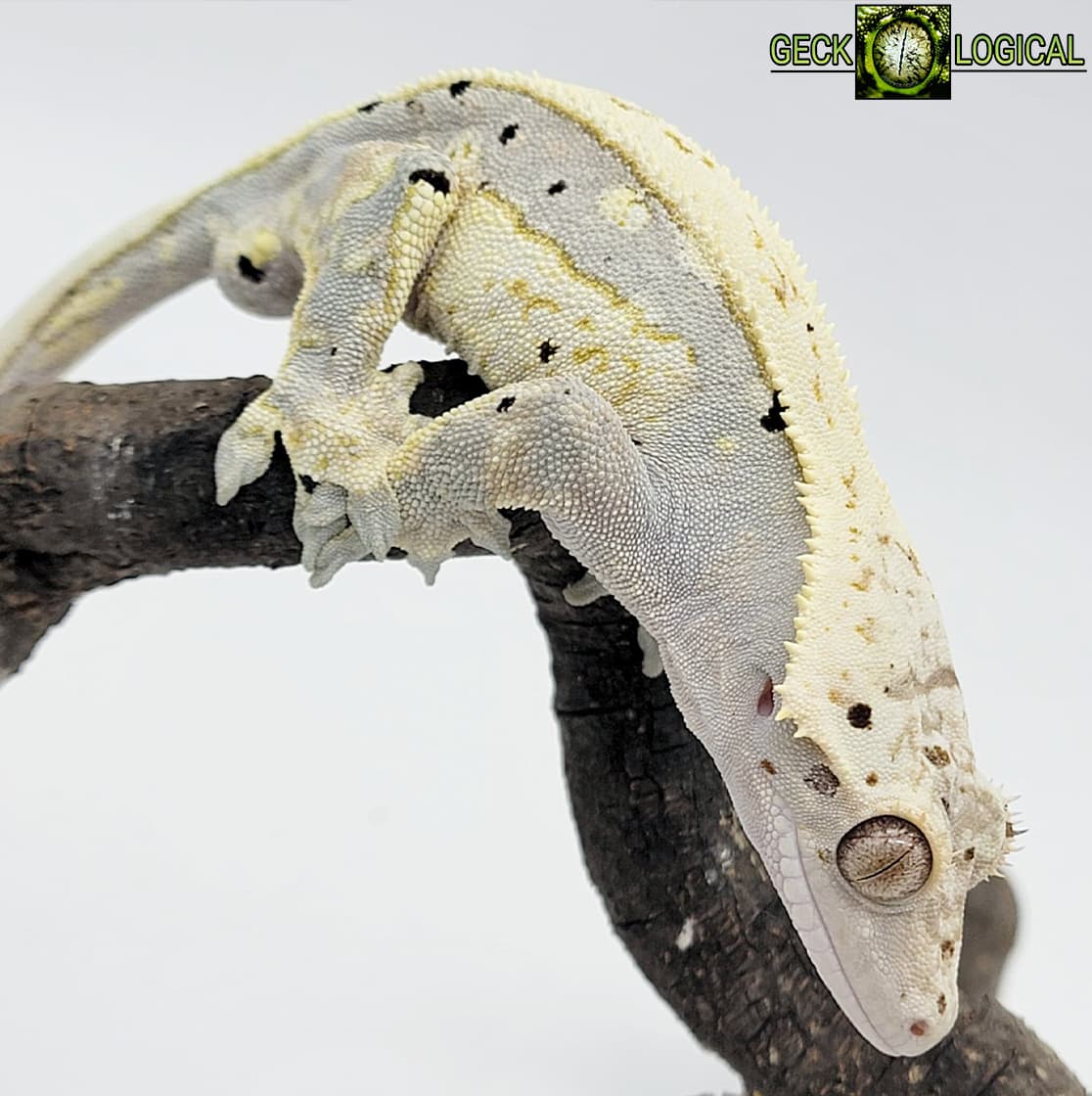
What It Is
Hypomelanistic traits that reduce melanin production, creating lighter appearances. At least THREE distinct forms exist. Not all "hypo" is the same.
CRITICAL UNDERSTANDING: When someone says "hypo," ask "which hypo form?" - they produce different results.
The Three (or More) Hypo Forms
1. Standard Hypo (H)
Most Common Form:
- Reduces melanin production
- Creates lighter base colors
- Polygenic inheritance with varying expression levels
- Most common hypo form in hobby
- Variable intensity based on "stacking"
"Hypo Stacking":
- Multiple genes contribute to hypo intensity
- More hypo genes = lighter appearance
- "High hypo" = many contributing genes
- Cannot predict exact expression from single pairing
Expression Range:
- Low hypo: Slightly lighter than normal
- Moderate hypo: Noticeably lighter
- High hypo: Very light, approaching white (C2 animals)
Visual Effects:
- Lightens base colors
- Reduces brown/black tones
- Creates pastel appearances
- Clean, light coloration
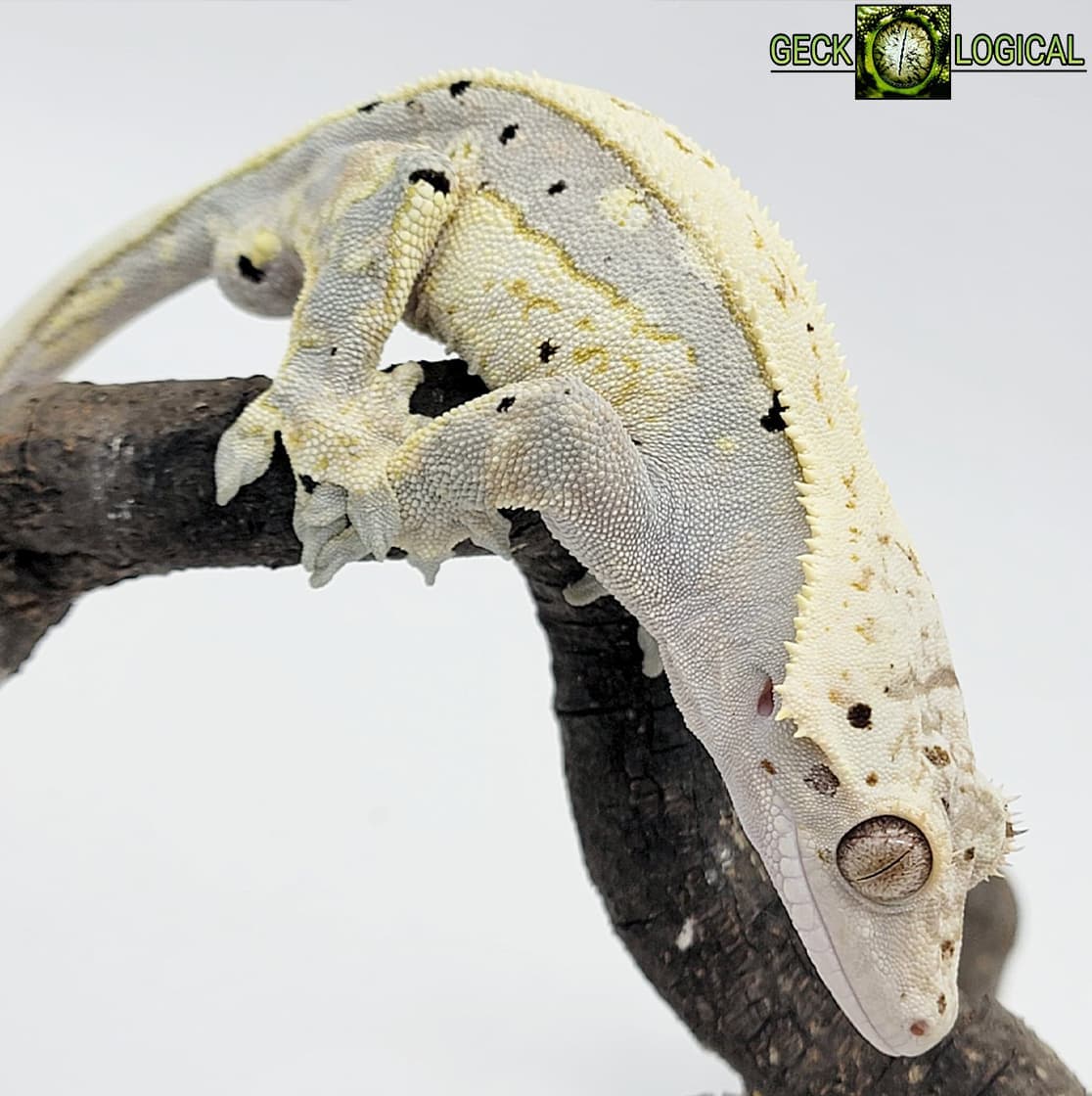
2. Cold Fusion (Hc) - Tom Favazza's Line
Refined Hypo Line:
- Specifically line-bred for sky-blue coloration
- Most significant distinguishing feature: BLUE TONES
- Created by Tom Favazza (@Geckological)
- Refined variant of hypomelanistic trait
Distinctive Characteristics:
Sky-Blue with Black Base (Most Significant):
- Creates distinctive SKY-BLUE color when combined with Black Base
- This is THE defining characteristic of Cold Fusion
- No other hypo form produces true blue tones
- Blue Lavender (Black Base + Cold Fusion) is unmistakable
Paper-White White Pattern:
- Produces paper white White Pattern (not cream or off-white)
- Cleanest, brightest white of any hypo form
- Very distinctive when present
Unique Color Expressions:
- Creates unique yellows not seen in other hypo forms
- Produces distinctive reds with unique tones
- Lavenders with blue tones (vs. purple/grey in standard hypo)
- "Extreme animals" with characteristics not seen in other hypo forms
Greatest Effect:
- Most effective at reducing brown/gray tones when fired down
- Animals appear cleanest, lightest when relaxed
- Firing pattern different from standard hypo
Acts as "Enhancer Gene":
- Produces idiosyncrasies not seen in other hypo forms
- Creates unique phenotypes
- Line-bred refinement shows in consistency
Cold Fusion + Base Colors:
Black Base + Cold Fusion = Sky-Blue Lavender:
- Most distinctive Cold Fusion combination
- True blue tones (not grey or purple)
- Unmistakable appearance
- Highest demand
Red Base + Cold Fusion = Extreme Pink:
- Greatest effect on pink intensity
- Brightest, cleanest pinks
- Reduces brown tones maximally
Yellow Base + Cold Fusion = Unique Yellow:
- Distinctive yellow expression
- Different from standard hypo yellows
- Very clean appearance
Special Trait - Base Color Segregation:
When Black Base Cold Fusion × Yellow Base Cold Fusion:
- Progeny are EITHER yellow base OR blue-tone lavender
- NO blended form - clean separation
- Offspring don't show mixed yellow/blue
- Interesting genetic phenomenon
Line-Bred History:
- Developed by Tom Favazza over multiple generations
- Selected specifically for blue tones
- Refined through careful breeding
- Consistent results show line-breeding success
Market Recognition:
- "Cold Fusion Lavender" commands premium
- Blue tones are sought-after
- Line-bred status adds value
- Breeder attribution important
3. Third Hypo Form (Under Research)
Recently Identified:
- Additional hypomelanistic form identified
- Not yet fully characterized
- Distinct from Standard Hypo and Cold Fusion
- Research ongoing
Current Understanding:
- Appears to be separate form
- Different characteristics from known forms
- Breeding data being collected
- May be named/formalized in future
Why This Matters:
- Shows hypo is MORE complex than previously thought
- Not all "hypo" produces same results
- Important for breeding predictions
- Explains some unexpected outcomes
Key Distinction - Hypo vs. Phantom (CRITICAL)
This is one of the most important distinctions in crested gecko genetics.
Hypo (all forms):
- Melanin-REDUCING
- Creates CLEAN yellow/light colors
- NO melanin blending with base color
- Light, clean appearance
- Crisp color separation
- Pastels and light tones
Phantom:
- Melanin-PRODUCING
- Melanin BLENDS with base color
- Creates buckskin/cream/tan (NOT clean)
- Melanin integration visible
- Warm, blended appearance
- Tan/brown tones
Quick Visual Test:
If you see:
- Melanin blending with base color (tan, buckskin, cream) → Phantom
- Clean yellow with no blending → Hypo
- Sky-blue tones → Cold Fusion (specific hypo form)
- Purple/grey lighter color → Standard Hypo (on Black Base)
On Yellow Base:
- Yellow Base + Hypo = Clean Blonde (no melanin blending)
- Yellow Base + Phantom = Buckskin/Cream/Tan (melanin blends with yellow)
This distinction is CRITICAL for accurate morph identification and breeding predictions.
Epistatic Interactions - When Genes Change Each Other
Epistasis = one gene affecting the expression of another gene at a different locus.
Many popular "morphs" are actually epistatic interactions between base colors and modifiers.
What Is Epistasis?
Simple Explanation:
- Gene A changes how Gene B looks
- Both genes are present
- One modifies the other's expression
- Creates new appearance
In Crested Geckos:
- Base colors (Black, Red, Yellow) are modified by hypo
- Hypo changes HOW the base color appears
- Creates "new" appearances (Lavender, Pink, Blonde)
- These are NOT new traits - they're INTERACTIONS
Lavender (B + H) - NOT A Trait
What It Actually Is:
- NOT a trait or gene
- Epistatic interaction of Black Base + Hypomelanistic forms
- Hypo modifies how Black Base appears
- Creates grey → purple → blue spectrum
Formula: B/H (Black Base + Hypo)
How It Works:
Black Base (B) alone:
- Dark coloration
- Black, dark grey, brown tones
- Normal melanin levels
Black Base (B) + Hypo (H):
- Hypo REDUCES melanin
- Black Base appears lighter
- Creates Lavender appearance
- Color depends on hypo form and intensity
Color Range:
- Grey Lavender: Low hypo + Black Base
- Purple Lavender: Moderate hypo + Black Base
- Sky-Blue Lavender: Cold Fusion + Black Base (most rare)
- Blue-Grey: High standard hypo + Black Base
Cold Fusion Produces Strongest Blue Tones:
- Cold Fusion + Black Base = True sky-blue
- Standard Hypo + Black Base = Purple/grey
- Hypo form MATTERS for color outcome
Color Variation Depends On:
- Which hypo form (Standard, Cold Fusion, other)
- Hypo intensity/stacking level
- Firing up/down (less firing = greater trait dominance)
- Background genetics
- Individual variation
Common Misconception: "True Lavender" or "Lavender gene"
Reality: NO such thing as "Lavender gene"
- Lavender is ALWAYS Black Base + Hypo combination
- "True Lavender" = scientifically inaccurate marketing term
- Insinuates standalone trait (FALSE)
Breeding Lavender:
Lavender × Lavender:
- NOT breeding "Lavender gene × Lavender gene"
- Actually breeding (B/H) × (B/H)
- Black Base is fixed (all offspring have it)
- Hypo inheritance depends on:
- How many hypo genes each parent carries
- Which hypo form(s)
- Polygenic distribution
Expected Outcomes:
- All offspring have Black Base (fixed)
- Hypo expression varies (polygenic)
- Some may be high hypo (Lavender appearance)
- Some may be low hypo (darker appearance)
- Wide range possible
Cannot predict exact outcomes because:
- Hypo is polygenic (multiple genes)
- Expression varies
- "Lavender" is threshold appearance, not on/off gene
Pink (r + H) - NOT A Trait
What It Actually Is:
- NOT a trait or gene
- Epistatic interaction of Red Base + Hypomelanistic forms
- Hypo modifies how Red Base appears
- Creates neon red → pink → cotton candy spectrum
Formula: r/H (Red Base + Hypo)
How It Works:
Red Base (r) alone:
- Red to burgundy tones
- Deep coloration
- Normal melanin with red
Red Base (r) + Hypo (H):
- Hypo REDUCES melanin
- Red Base appears lighter
- Creates Pink appearance
- Color depends on hypo form and intensity
Color Range - At Least 12 Shades:
- Neon Red (low hypo)
- Bright Pink (moderate hypo)
- Rose Pink
- Cotton Candy Pink (high hypo)
- Salmon Pink
- Coral Pink
- Bubblegum Pink (with Tangerine)
- Peach Pink
- Light Pink
- Pastel Pink
- Extreme Pink (Cold Fusion)
- ...and more
Cold Fusion Has Greatest Effect:
- Cold Fusion + Red Base = Brightest, cleanest pinks
- Reduces brown/melanin most effectively
- Most sought-after pink form
Additional Characteristics:
- Tails more uniform - lacking dark pigment along tail
- Usually accompanied by White Pattern instead of Orange Pattern
- Yellow Base rar...