Species Spotlight: Crested Geckos - Complete Care and Lineage Tracking Guide
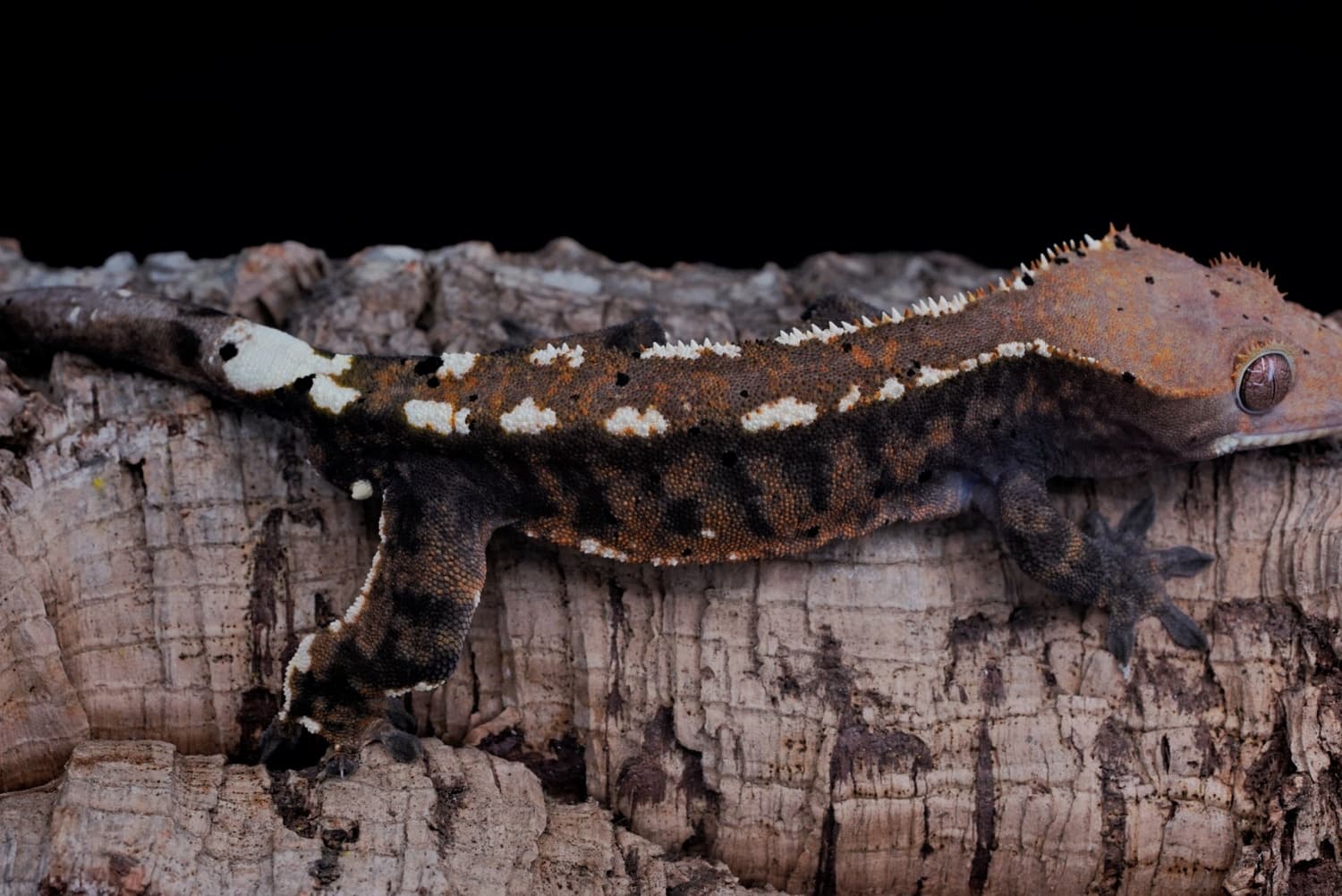
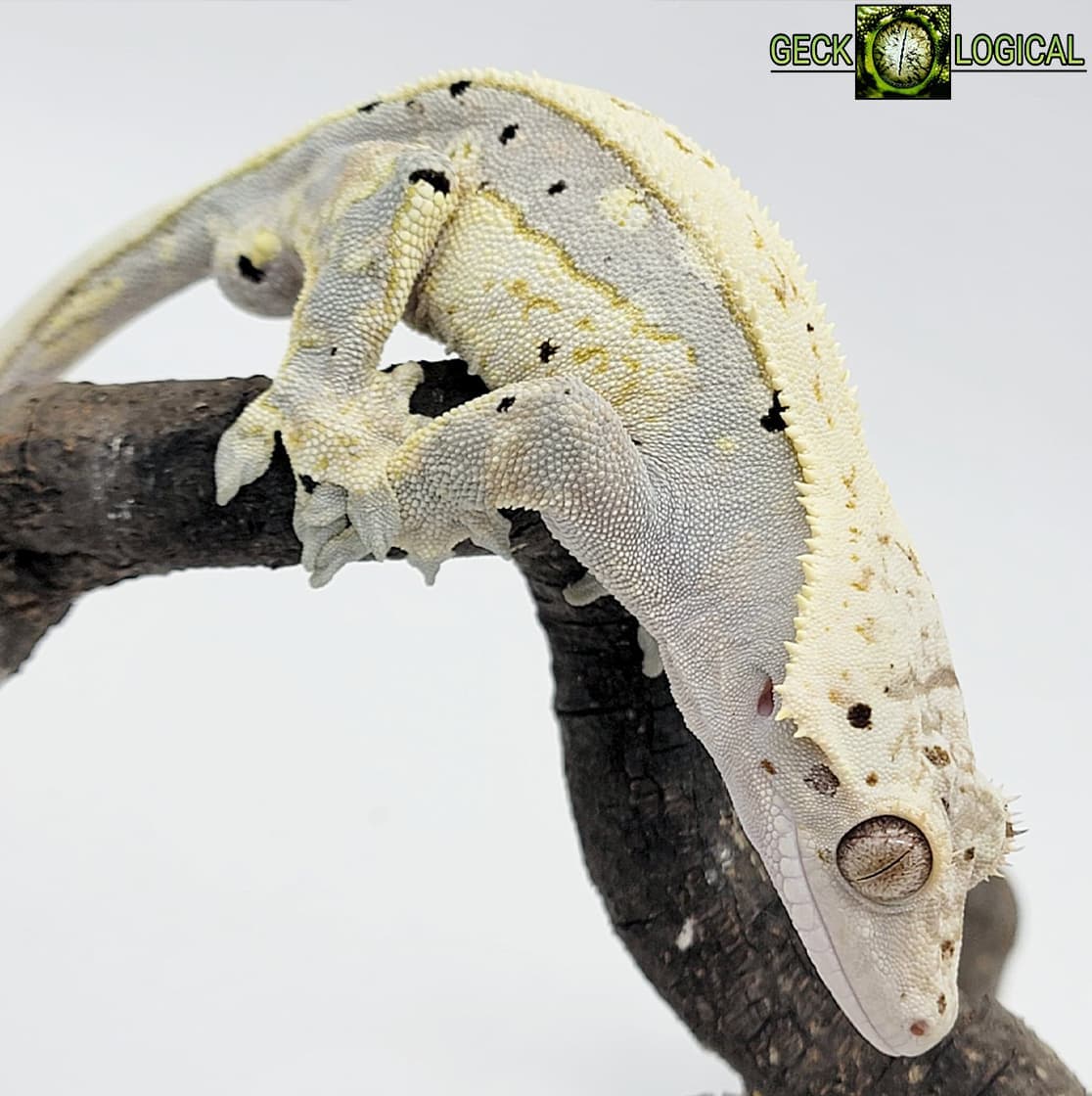
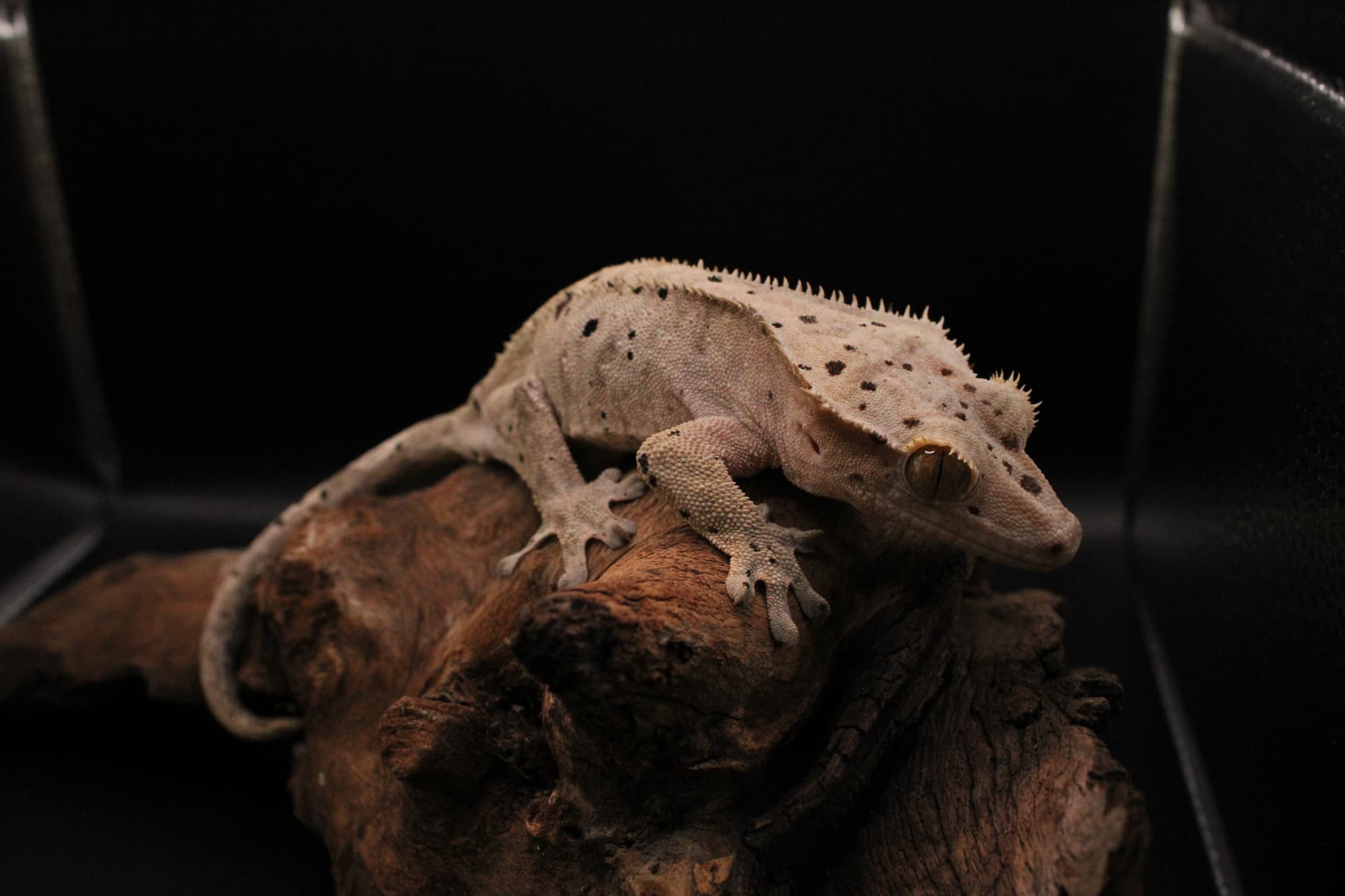
Crested geckos (Correlophus ciliatus) have become a staple in the reptile hobby thanks to their easy care, unique appearance, and wide range of color and pattern morphs. Originally thought extinct, these gentle, arboreal lizards from New Caledonia are now one of the most popular pet geckos worldwide.
Whether you're a new keeper or an aspiring breeder, understanding proper husbandry and the growing importance of genetic and lineage tracking will set you and your geckos up for long-term success.

Crested Gecko Basics
Common Names: Crested Gecko, Eyelash Gecko
Scientific Name: Correlophus ciliatus
Native Range: New Caledonia
Adult Size: 8–10 inches (20–25 cm) total length
Lifespan: 15–20+ years with proper care
Temperament: Generally docile and easy to handle
Diet: Omnivorous. Commercial gecko diet, supplemented with insects and occasional fruit
Why Crested Geckos Make Great Pets
- Beginner-friendly with straightforward care requirements
- No special UV lighting needed (though beneficial)
- Manageable size perfect for most living situations
- Fascinating nocturnal behavior and unique vocalizations
- Incredible morph diversity for those interested in genetics
- Hardy species that tolerates minor husbandry mistakes
Enclosure & Environment Setup
Enclosure Size Requirements
Juveniles (0-6 months):
- Minimum: 12" × 12" × 18" (tall terrarium)
- Focus on security and easy monitoring
Adults:
- Minimum: 18" × 18" × 24" (tall), or equivalent
- Larger is always better for enrichment
- Breeding pairs: 24" × 18" × 36" recommended
Important: Vertical space is key. Crested geckos are arboreal and need height to climb and exercise their natural behaviors.

Substrate Options
Best Choices:
- Bioactive substrate - Creates a naturalistic, self-maintaining ecosystem
- Coconut fiber (coir) - Excellent humidity retention and natural appearance
- Cypress mulch - Good moisture retention, safe if ingested
- Paper towels - Easy cleaning, best for quarantine or juveniles
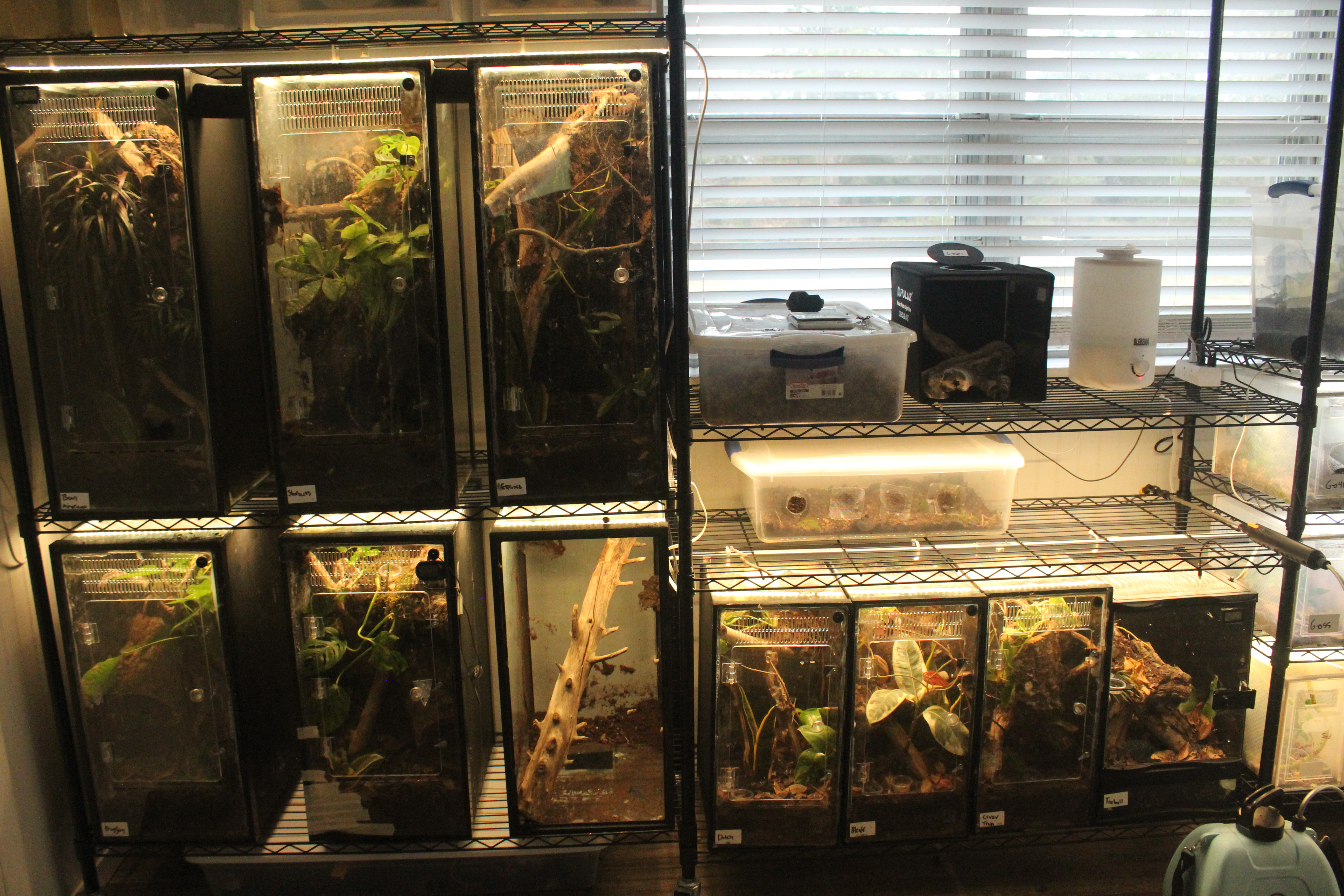
I run bioactive setups for all my adults. The maintenance is lower once established, and the geckos behave more naturally. For juveniles and quarantine, paper towels are the move until you're sure the animal is healthy and feeding consistently.
Avoid These Substrates:
- Loose sand or gravel (impaction risk)
- Cedar or pine shavings (toxic oils)
- Reptile carpet (harbors bacteria, catches toes)
Decor & Enrichment Essentials
Create a three-dimensional environment that encourages natural behaviors:
Climbing Structures:
- Multiple branches and cork bark pieces
- Bamboo poles or wooden dowels
- Artificial or live vines
Hiding Places:
- Multiple secure hides at different levels
- Cork bark tubes or half-logs
- Live or artificial plants for cover
Live Plants (Safe Options):
- Pothos - Hardy, fast-growing, excellent for humidity
- Snake plant (Sansevieria) - Low maintenance, architectural
- Bromeliads - Natural water collection, beautiful flowers
- Ficus species - Classic terrarium plants
- Spider plant - Safe, easy to propagate
Temperature & Environmental Controls
Temperature Requirements
Daytime: 72–78°F (22–26°C)
Nighttime: 65–72°F (18–22°C)
Basking Spot: Not required, but 80°F (27°C) maximum if provided
Winter Cooling: 65–70°F (18–21°C) for 2-3 months to encourage breeding cycles
Humidity Management
General Humidity: 60–80%
Nighttime Humidity: 80–100%
Misting Schedule: 2-3 times daily, allowing surfaces to dry between mistings
Pro Tip: Use a digital hygrometer to monitor humidity accurately. Crested geckos thrive with humidity cycling: high humidity (80-100%) at night when they're active, dropping to 50-60% during the day. This natural cycle prevents mold growth and respiratory issues while keeping your gecko healthy.
Lighting Considerations
Crested geckos are nocturnal and don't require special UV lighting, but:
- Room lighting provides adequate day/night cycle
- Low-level LED lights enhance plant growth in bioactive setups
- UVB lighting (2-5%) can be beneficial for overall health
- Avoid bright lights that stress nocturnal animals
- Red or blue night lights are unnecessary and disruptive
Feeding & Nutrition Guide
Commercial Gecko Diets (Primary Food Source)
High-quality commercial gecko diets should form 80-90% of your gecko's nutrition:
Top Recommended Brands:
- Repashy Crested Gecko MRP - Most popular, complete nutrition
- Pangea Gecko Diet - Multiple flavors, excellent quality
- Zoo Med Day Gecko Food - Budget-friendly, reliable option
- Lugarti Crested Gecko Diet - High-protein formula for growth
My colony eats Pangea primarily, rotated between flavors. I supplement with dubia roaches for breeding females and any animal I'm conditioning for growth. The key is consistency. Pick a quality CGD and stick with it.
Feeding Schedule:
- Juveniles (under 6 months): Every day
- Adults: Every other day or 3 times per week
- Amount: Small dollop, roughly the size of the gecko's head
- Removal: Remove uneaten food after 24-48 hours
Supplemental Foods & Treats
While commercial diets are nutritionally complete, occasional variety adds enrichment:
Safe Live Food Options (5-10% of diet):
- Crickets - Gut-loaded and dusted with calcium
- Dubia roaches - Excellent protein source, easy to digest
- Mealworms - Occasional treat only (high fat content)
- Waxworms - Rare treat for weight gain or breeding conditioning
Fruit Treats (Occasional):
- Mashed banana, mango, or papaya
- Baby food (no additives or preservatives)
- Fresh fig or apricot (small amounts)
Foods to Completely Avoid:
- Wild-caught insects (parasites, pesticides)
- Fireflies or glowing insects (toxic)
- Avocado (toxic to reptiles)
- Citrus fruits (too acidic)
- Chocolate or caffeine
- Iceberg lettuce (no nutritional value)
Health & Wellness Management
Signs of a Healthy Crested Gecko
Physical Indicators:
- Clear, bright eyes with no discharge
- Plump, intact tail (fat storage indicator)
- Smooth, complete sheds with no stuck pieces
- Alert, responsive behavior during evening hours
- Consistent appetite and regular defecation
- Proper body weight and muscle tone
Common Health Issues & Solutions
Metabolic Bone Disease (MBD):
- Symptoms: Soft bones, tremors, difficulty climbing, lethargy
- Causes: Poor diet, inadequate calcium, lack of proper nutrition
- Prevention: Quality commercial diet with proper supplementation
Stuck Shed (Dysecdysis):
- Symptoms: Old skin remaining on toes, tail, or body parts
- Causes: Low humidity, dehydration, poor nutrition
- Treatment: Increase humidity, provide humid hide, gentle soaking
Floppy Tail Syndrome:
- Symptoms: Tail hanging limp with no voluntary movement
- Causes: Genetic factors, injury, poor nutrition during development
- Management: No cure available, but doesn't affect quality of life
Respiratory Infections:
- Symptoms: Mouth breathing, wheezing, lethargy
- Causes: Poor ventilation, consistently high humidity, temperature stress
- Prevention: Proper ventilation and environmental management
Most health issues I've encountered in my program trace back to husbandry, not genetics. Stuck shed is almost always a humidity problem. MBD is almost always a diet problem. Get those two right and you avoid 90% of veterinary visits.
Veterinary Care Guidelines
Find an Exotic Veterinarian Before You Need One:
- Research reptile-experienced vets in your area
- Establish relationship with annual wellness checkups
- Annual fecal parasite testing recommended
- Keep emergency contact information readily available
Emergency Signs Requiring Immediate Attention:
- Prolonged lethargy or unresponsiveness
- Not eating for more than 2-3 weeks
- Visible injuries or bleeding
- Difficulty breathing or mouth breathing
- Unusual swelling or lumps
Handling & Behavior Understanding
Key takeaway
Safe Handling Techniques
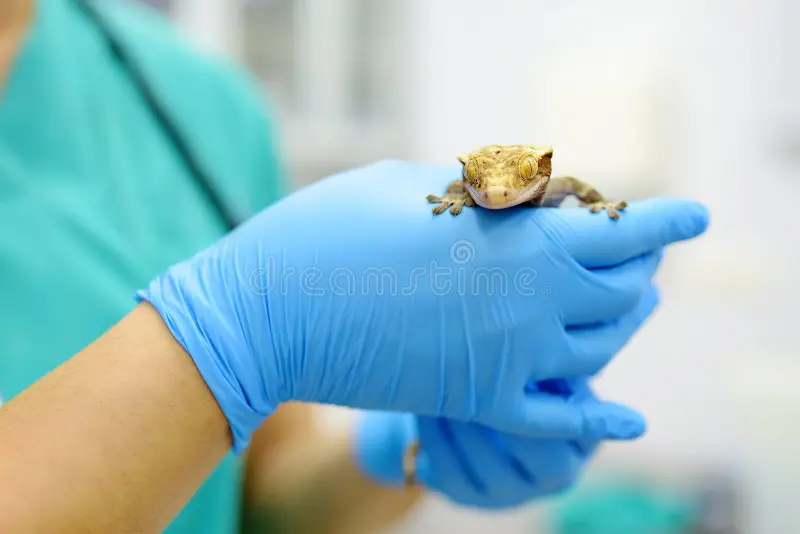
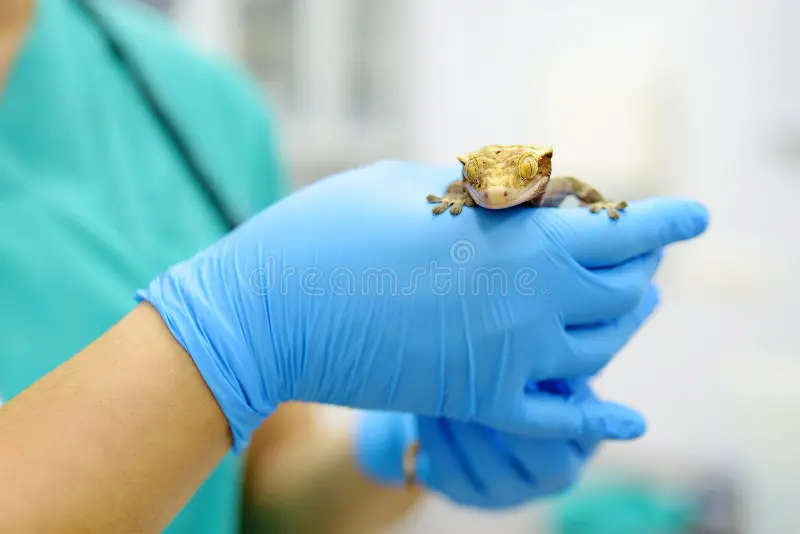
Crested geckos can tolerate gentle handling but require confident, careful techniques:
Proper Handling Steps:
- Move slowly and let the gecko see your approaching hand
- Scoop from underneath, supporting the entire body weight
- Never grab the tail - it will detach permanently (autotomy)
- Keep sessions short (5-10 minutes maximum)
- Handle in secure areas to prevent falls or escapes
- Support the body with both hands when possible
When NOT to Handle:
- During the shedding process (skin is sensitive)
- When the gecko is stressed, hiding, or showing defensive behaviors
- Recently after feeding (digestion period)
- If the gecko is gravid (carrying eggs)
- During quarantine periods for new arrivals
Understanding Natural Behaviors
Normal Behaviors to Expect:
- Tail wagging or curling - Sign of alertness, e...