Care guide
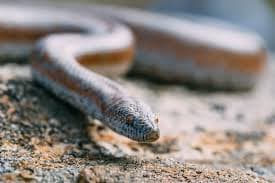
Rosy Boa
Lichanura trivirgata
- Adult size
- 2-4 feet (0.6-1.2 m)
- Lifespan
- 30+ years
Overview
Rosy boas are small, docile boas native to the southwestern United States and Baja California. They are perfect for beginners due to their manageable size (2-4 feet), calm temperament, simple care requirements, and slow, deliberate movements that make them easy to handle.
Ambient Temp
70-75°F (21-24°C)
Basking Spot
85-90°F (29-32°C)
Night Temp
65-70°F (18-21°C)
Humidity
30-50%
UVB
Not required; ambient day/night cycle
Lifespan
30+ years
Enclosure Sizes by Life Stage
| Life Stage | Minimum Enclosure Size |
|---|---|
| Hatchling0–3 months | 10-gallon (20x10x12") |
| Juvenile3–12 months | 20-gallon long (30x12x12") |
| Adult12+ months | 30-40-gallon (36-48x18x12") |
Housing
- Enclosure type
- Terrestrial glass or PVC enclosure; modest footprint adequate for small species
- Substrate
- Aspen shavings, paper towels, or reptile carpet. They may burrow, so loose substrate is enriching. Avoid high-moisture substrates.
- Hides
- At least two hides: warm side and cool side
- Notes
- Minimum 20-gallon long for juveniles, 30-40 gallon for adults. Provide multiple hides, climbing branch, and secure lid. They rarely climb but appreciate the option.
Temperature
- Ambient / cool side
- 70-75°F (21-24°C)
- Basking spot
- 85-90°F (29-32°C)
- Nighttime
- 65-70°F (18-21°C)
- Heating method
- Under-tank heater with thermostat; tolerates cooler temps well
Humidity & Lighting
- Humidity range
- 30-50%
- Maintenance
- Desert species - avoid high humidity which can cause respiratory issues. Provide slight increase during shed.
- UVB
- Not required; ambient day/night cycle
- Photoperiod
- 12 hours on / 12 hours off
- Lighting notes
- No UVB required. Provide day/night cycle with normal room lighting.
Feeding
- Staple food
- Frozen-thawed mice
- Variety
- Smaller prey than other snakes their size due to smaller head; no live prey
- Frequency
- Hatchlings: every 5-7 days. Juveniles: every 7-10 days. Adults: every 10-14 days. They have slower metabolisms than many colubrids.
- Supplements
- No supplements needed when feeding whole prey.
- Notes
- Carnivore: Feed frozen-thawed mice. They have smaller heads and may need smaller prey than other snakes their size.
Water & Hydration
- Water bowl
- Small water bowl; change every 2-3 days; rarely soak
- Notes
- Provide water bowl for drinking. Change every 2-3 days. Rosy boas rarely soak.
Handling
- Disposition
- Extremely docile and slow-moving; perfect for nervous or first-time handlers
- Recommendations
- Extremely docile and slow-moving, perfect for nervous handlers. Handle 1-2 times per week. They move deliberately and rarely strike or musk.
Common Health Issues
Very hardy with few health issues. Possible respiratory infections from high humidity, scale rot, and mites.
Special Notes
Rosy boas can live 30+ years, one of the longest-lived pet snakes. They are crepuscular (most active dawn/dusk). Multiple localities exist with different colors. Very hardy and forgiving of beginner mistakes. Slower growth rate than most snakes.
Next steps
Start your records
Track your Rosy Boa with ReptiDex
Track your breeding program, generate pedigrees, and share records with buyers.
Get Started Free