Care guide
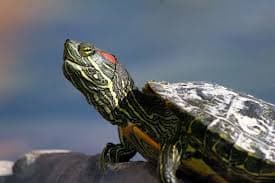
Red-Eared Slider
Trachemys scripta elegans
- Adult size
- 10-12 inches (25-30 cm)
- Lifespan
- 30-40+ years
Overview
Red-eared sliders are semi-aquatic turtles native to the southern United States, named for the distinctive red stripe behind their eyes. They are one of the most common pet turtles but require significant space, maintenance, and long-term commitment. Often purchased as hatchlings, they grow to 10-12 inches and need large aquatic setups.
Ambient Temp
Water: 75-80°F (24-27°C); ambient air: 75-80°F (24-27°C)
Basking Spot
90-95°F (32-35°C) basking spot
Night Temp
Water temperature maintained by submersible heater; air temp 70-75°F (21-24°C)
Humidity
Not applicable for aquatic turtle; maintain clean, filtered water with proper depth
UVB
Required: 5.0-10.0 UVB over basking area; replace every 6-12 months
Lifespan
30-40+ years
Enclosure Sizes by Life Stage
| Life Stage | Minimum Enclosure Size |
|---|---|
| Hatchling0–3 months | 10-gallon aquarium with basking platform |
| Juvenile3–12 months | 40-gallon breeder aquarium (48x18x18") |
| Adult12+ months | 75-120-gallon aquarium or outdoor pond |
Housing
- Enclosure type
- Large aquarium or outdoor pond; semi-aquatic; requires both deep water and dry basking area
- Substrate
- Bare bottom or large river rocks (too large to eat). Gravel is dangerous - causes impaction. External filter removes waste.
- Hides
- Dry basking platform occupying approximately 1/3 of the tank; ramp for easy access
- Notes
- Minimum 75-gallon tank for juveniles, 125+ gallons for adults (larger is better). Provide deep water area for swimming (2-3x shell length deep) and basking platform (1/3 of tank). External canister filter essential - turtles are messy!
Temperature
- Ambient / cool side
- Water: 75-80°F (24-27°C); ambient air: 75-80°F (24-27°C)
- Basking spot
- 90-95°F (32-35°C) basking spot
- Nighttime
- Water temperature maintained by submersible heater; air temp 70-75°F (21-24°C)
- Heating method
- Submersible water heater for water temperature; basking bulb for air and basking spot
Humidity & Lighting
- Humidity range
- Not applicable for aquatic turtle; maintain clean, filtered water with proper depth
- Maintenance
- Maintain clean, filtered, chlorine-free water. Water quality is critical. Use dechlorinator. Cycle tank before adding turtle.
- UVB
- Required: 5.0-10.0 UVB over basking area; replace every 6-12 months
- Photoperiod
- 12-14 hours on / 10-12 hours off
- Lighting notes
- REQUIRES UVB 5.0-10.0 over basking area. Replace every 6-12 months. Basking bulb for heat. Combo bulbs available. UVB critical for shell health and calcium metabolism.
Feeding
- Staple food
- Juveniles: commercial pellets, bloodworms, small fish, insects (70% carnivorous diet). Adults: aquatic plants, lettuce, vegetables (70% herbivorous diet).
- Variety
- High-quality commercial turtle pellets, aquatic plants (anacharis, water lettuce); feed in water only
- Frequency
- Juveniles: daily. Adults: every other day or small amounts daily. Feed in water (they must eat in water). Offer variety.
- Supplements
- High-quality commercial turtle pellets provide base nutrition. Dust occasional insects with calcium. Cuttlebone in tank for calcium.
- Notes
- Omnivore: Juveniles are 70% carnivorous (commercial pellets, bloodworms, small fish, insects). Adults shift to 70% herbivorous (aquatic plants, lettuce, vegetables). Feed aquatic plants: anacharis, water lettuce.
Water & Hydration
- Water bowl
- Aquatic turtle - lives in water; provide clean, filtered, chlorine-free water; robust filtration required
- Notes
- Aquatic turtle - lives in water! Provide clean, filtered, chlorine-free water. Water quality is critical. Use dechlorinator. Cycle tank before adding turtle.
Handling
- Disposition
- Can be handled briefly; carry Salmonella - wash hands thoroughly; minimize handling
- Recommendations
- Can be handled but minimize handling - they carry Salmonella. Wash hands thoroughly after handling. They may scratch with claws or bite. Handle over water or soft surface as they're slippery.
Common Health Issues
Respiratory infections, shell rot (from poor water quality), vitamin A deficiency (swollen eyes), metabolic bone disease, and ear abscesses.
Special Notes
Red-eared sliders can live 30-40+ years. They grow quickly and most people underestimate space requirements. Adults need pond-sized setups. Illegal to sell in many places due to Salmonella risk. Powerful swimmers and messy eaters - require robust filtration. Males are smaller with longer claws and tails. Can be aggressive - may not cohabitate well. Often basking behavior indicates good health. Need annual vet checkups. Very high maintenance compared to most reptiles - requires significant investment in proper setup and ongoing care. Many are released illegally into the wild (don't do this!). Not recommended for beginners despite common availability.
Next steps
Start your records
Track your Red-Eared Slider with ReptiDex
Track your breeding program, generate pedigrees, and share records with buyers.
Get Started Free