Care guide
Kenyan Sand Boa
Eryx colubrinus
- Adult size
- 2-3 feet (0.6-0.9 m); females larger than males
- Lifespan
- 20-30 years
Overview
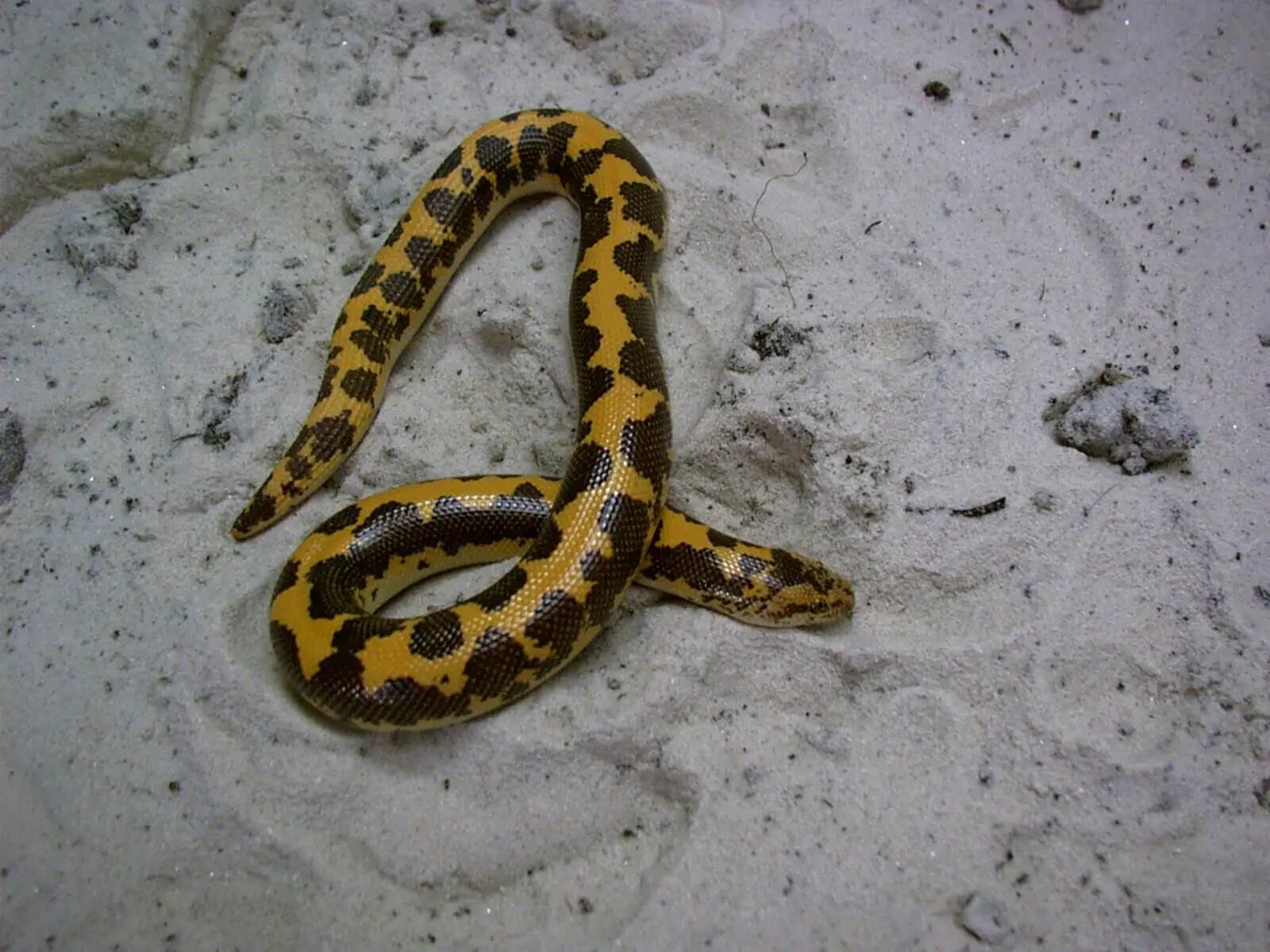
Kenyan sand boas are small, fossorial (burrowing) boas from East Africa. They are known for their stubby tails, small eyes positioned on top of their heads, and unique orange coloration. Their heavy-bodied build and docile nature make them interesting pet snakes, though they spend most of their time buried.
Ambient Temp
75-80°F (24-27°C)
Basking Spot
90-95°F (32-35°C)
Night Temp
70-75°F (21-24°C)
Humidity
30-50%
UVB
Not required; lighting has little effect on a fossorial species
Lifespan
20-30 years
Enclosure Sizes by Life Stage
| Life Stage | Minimum Enclosure Size |
|---|---|
| Hatchling0–3 months | 5-qt tub or 10-gallon |
| Juvenile3–12 months | 10-15-gallon (20-24x12x12") |
| Adult12+ months | 20-gallon long (30x12x12") |
Housing
- Enclosure type
- Terrestrial glass or PVC enclosure; deep substrate is essential for burrowing
- Substrate
- IMPORTANT: Provide 3-4 inches of aspen shavings, children's play sand (NOT calcium sand), or sand/soil mix. They must be able to burrow completely.
- Hides
- One hide on warm side; burrowing serves as primary shelter
- Notes
- Minimum 10-gallon for juveniles, 20-gallon long for adults. Provide 3-4 inches of loose substrate for burrowing, a hide, and secure lid. Surface decorations are optional as they rarely use them.
Temperature
- Ambient / cool side
- 75-80°F (24-27°C)
- Basking spot
- 90-95°F (32-35°C)
- Nighttime
- 70-75°F (21-24°C)
- Heating method
- Under-tank heater covering 1/3 of tank with thermostat; they thermoregulate by depth of burrowing
Humidity & Lighting
- Humidity range
- 30-50%
- Maintenance
- Desert species requiring low humidity. Misting is generally unnecessary.
- UVB
- Not required; lighting has little effect on a fossorial species
- Photoperiod
- 12 hours on / 12 hours off; they will remain buried regardless
- Lighting notes
- No UVB required. Provide day/night cycle with normal lighting. They will remain buried regardless.
Feeding
- Staple food
- Frozen-thawed mice or small rats
- Variety
- Ambush hunters with strong feeding responses; no live prey
- Frequency
- Juveniles: every 7 days. Adults: every 10-14 days. Overfeeding is common - watch for obesity.
- Supplements
- No supplements needed when feeding whole prey.
- Notes
- Carnivore: Feed frozen-thawed mice or small rats. They are ambush hunters and have strong feeding responses.
Water & Hydration
- Water bowl
- Small water dish; change every 2-3 days; rarely drink visibly
- Notes
- Provide small water dish. Change every 2-3 days. They rarely drink visibly but need access to water.
Handling
- Disposition
- Generally docile; slow-moving; tolerates handling but spends most time burrowed
- Recommendations
- Generally very docile but may be defensive when first acquired. They are slow-moving and tolerate handling well. Support the body fully. They spend most of their time buried, so handle briefly 1-2 times per week.
Common Health Issues
Respiratory infections from high humidity, obesity from overfeeding, and scale rot from wet substrate.
Special Notes
Kenyan sand boas can live 20-30 years. Females are significantly larger than males. They are "sit and wait" predators that ambush prey from beneath the sand. Not an active species - best for keepers who enjoy observing rather than handling. Males are generally smaller and make better pets for limited space.
Next steps
Start your records
Track your Kenyan Sand Boa with ReptiDex
Track your breeding program, generate pedigrees, and share records with buyers.
Get Started Free